
Reviewed · TIBET TOURS
15 Days Mt Everest and Mt Kailash Kora Pilgrimage Group Tour
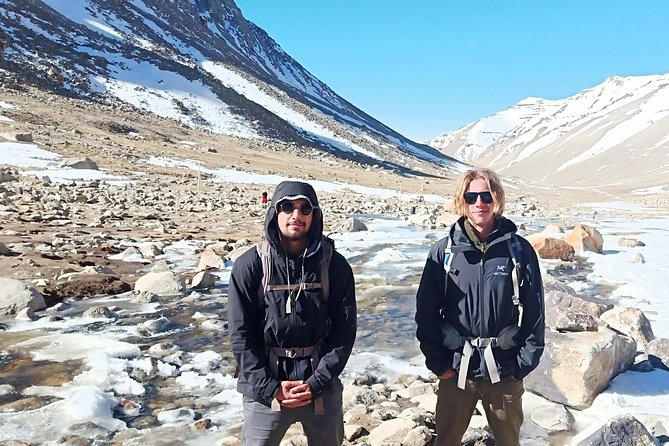
Mount Kailash is the heart of this trip, but the road there is half the story. Over 15 days, you move from Lhasa’s great temples to Everest Base Camp, then across the high Tibetan plateau for a three-day kora around the sacred mountain. It is a rare route that joins famous sights with remote places few visitors reach.
I like the small maximum group of 12, which keeps a long road journey more manageable. I also like the practical inclusions: permits, airport transfers, accommodation, entrance fees, emergency oxygen, a sleeping bag, and even the shuttle buses used near Kailash are covered.
The main caution is altitude and physical strain. You cross passes above 5,000 meters and climb to 5,630 meters at Dromala Pass, so this is not a gentle sightseeing holiday. The long drives, basic overnight stops, and strict permit arrangements also require patience.
The essential points before you book
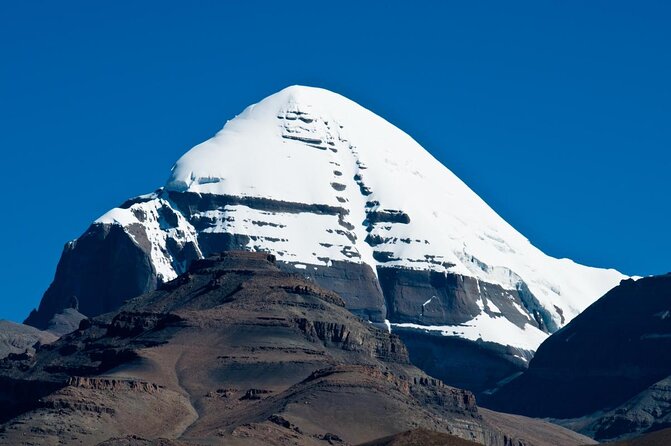
- Mount Kailash kora: Walk the sacred circuit over three days, including the difficult climb to 5,630-meter Dromala Pass.
- Everest Base Camp: Spend time in the Mount Everest National Nature Reserve, with a possible sunrise view of Everest and an overnight camping element.
- Lhasa’s major sights: Visit Potala Palace, Jokhang Temple, Barkhor Street, Drepung Monastery, Sera Monastery area, Norbulingka, and the Tibet Museum.
- Remote Tibetan scenery: Cross high passes, pass unnamed lakes and rivers, and see Yamdrok Lake, Karola Glacier, Peikucuo Lake, and Mount Shishapangma.
- Logistics included: Hotels, guesthouses, nomad tents, permits, transport, entrance fees, breakfast, water, airport transfers, and an English-speaking local guide are part of the package.
- Real fitness required: The tour is best for people comfortable with long drives, cold conditions, basic lodging, and strenuous walking at extreme altitude.
Why the Lhasa start matters
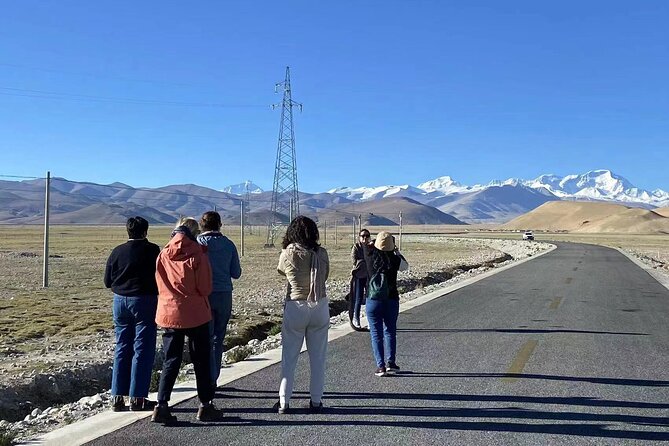
Your first two days in Lhasa are not filler. They give you time to begin adjusting before the road climbs higher, although the schedule still moves at a brisk pace.
On arrival at Lhasa Gonggar Airport, a transfer takes you to your hotel. Pickup is offered at 9:30 am, 1:00 pm, and 4:00 pm, so your flight needs to fit one of those windows if you want to use the included service. A railway station transfer is also available on the first and final day.
The second day begins with Drepung Monastery, one of Tibet’s great Gelug monasteries. You then visit the Tibet Museum, where displays cover clothing, homes, festivals, and daily life, followed by Norbulingka, the former summer garden of the Dalai Lama. This is a useful pairing: Drepung gives you religious context, while the museum and garden broaden the picture beyond temples.
The schedule allows about two hours at Drepung, one hour at the museum, and two hours at Norbulingka. You get a solid introduction, though you should not expect a slow, specialist tour of every room and object.
A few more China days to line up
- Tibet Tour 8 Days Lhasa to Everest Base Camp Small Group Tour
★ 5.0 · 578 reviews - 7 Days Lhasa to Kathmandu Overland Small Group Tibet Tour via EBC
★ 5.0 · 188 reviews - 10 Days Tibet Everest Base Camp and Namtso Small Group Tour
★ 5.0 · 108 reviews
Potala Palace, Jokhang Temple, and Barkhor Street
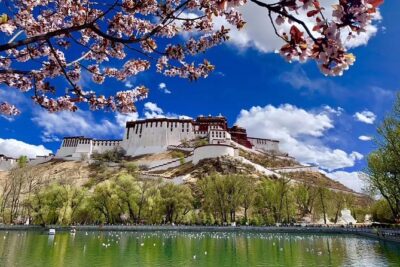
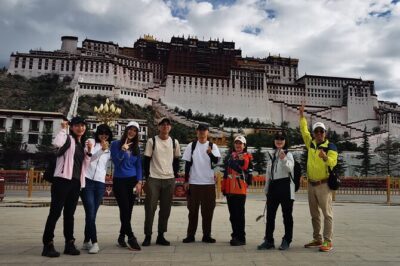
Day three brings Lhasa’s headline sights. Potala Palace is the city’s unmistakable landmark and former winter palace of the Dalai Lama. The visit lasts about two hours, enough to see the principal rooms and absorb the building’s position above the city, but the palace involves stairs and controlled visiting times.
After lunch, you visit Jokhang Temple, built in the seventh century and regarded as Tibet’s most sacred temple. The important image here is a statue of Buddha from his youth, one reason this temple carries such weight for Tibetan pilgrims.
Barkhor Street surrounds Jokhang and gives you time to see Lhasa’s public religious life and shop for traditional Tibetan goods. It is the least formal stop of the day, and I would use it to walk slowly, watch the flow of pilgrims, and avoid treating it as just a souvenir street.
The Lhasa portion includes several UNESCO-related cultural sites and major religious centers, but you should expect rules about photography, movement, and timing inside the monuments. Your guide will be especially useful here, since the meaning of each site is not always obvious from the architecture alone.
Yamdrok Lake and Gyantse’s monastery art
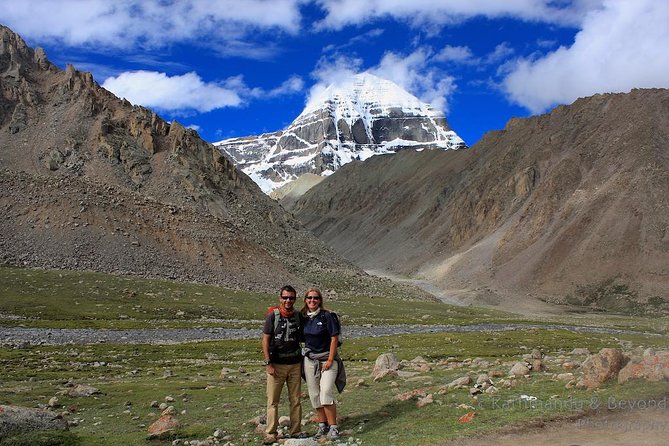
On day four, the road turns toward Shigatse. Yamdrok Lake is the first major scenic stop, a sacred body of water surrounded by high mountain country. You have about an hour there, which is enough for views and photographs but not a long lakeside walk.
The route also passes close to Karola Glacier. It is viewed from the roadside, roughly 300 meters from the main highway on the way to Gyantse. This is a quick stop rather than a full glacier excursion, so keep your expectations realistic.
In Gyantse, Pelkor Chode Monastery is the day’s cultural prize. It is known for its architecture, murals, and statues. The two-hour visit gives you time to look closely at the art, which can be more rewarding than rushing through another large religious complex.
This day is a good example of the tour’s style. You spend substantial time in the vehicle, but the road links sacred water, glacial scenery, and a major monastery rather than simply moving you between cities.
Shigatse to Everest Base Camp
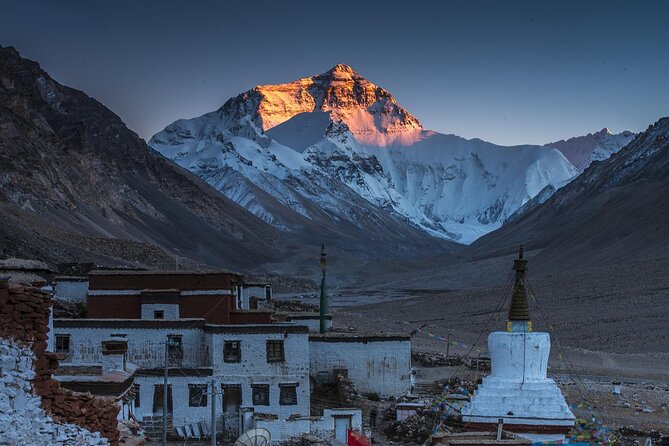
Tashilunpo Monastery comes next. It is associated with the Panchen Lama and is one of Shigatse’s most important religious sites. Allow about two hours, then continue toward Lhatse and Tingri.
Day five is one of the longest days of the tour. The drive includes Tsola Pass at about 4,600 meters and Gyatsola Pass at about 5,248 meters before entering the Mount Everest National Nature Reserve. The schedule allows around 10 hours for the nature reserve portion, so this is a day for patience, water, warm clothing, and realistic expectations about road time.
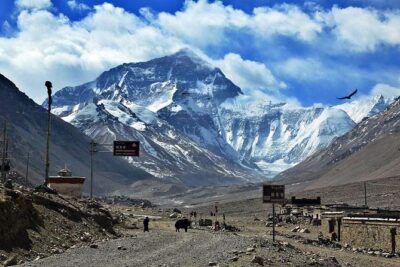
The reward is the chance to see the north face of Mount Everest and stay near Everest Base Camp. The accommodation is described as including hotels, guesthouses, and nomad tents, so conditions at this stage may be much simpler than in Lhasa. A sleeping bag is supplied, which is helpful, but you should still prepare for cold nights and limited comfort.
If conditions cooperate, you can rise early for sunrise at Everest Base Camp. Weather controls the view, not the guide, and mountain conditions can change quickly. The attraction here is not only the famous peak, but the sheer remoteness of the reserve and the sense of reaching a place that requires real effort to access.
A very different day in China:
- From Beijing: Mutianyu Great Wall Tours with Options
★ 4.9 · 9,216 reviews - Beijing: Forbidden City Tour(Group/Private)-Tickets Included
★ 4.8 · 7,974 reviews - Beijing: T-Square & Forbidden City Group or Private Tour
★ 4.8 · 4,446 reviews - Beijing: Mutianyu Great Wall Daily Tour with Ticket & Lunch
★ 5.0 · 3,056 reviews
The long road toward Mount Kailash
After Everest, the group drives toward Saga. Peikucuo Lake is a scheduled stop, and the route may offer views of Mount Shishapangma, one of the world’s highest peaks at 8,012 meters. Day six is another substantial road day, with scenery doing most of the work.
Day seven continues toward Mount Kailash. The route runs between the Himalayas to the south and the Trans-Himalayan ranges to the north. There are no constant attractions or town visits here. Instead, you spend hours watching the high plateau change outside the vehicle.
That can be tiring, but it is also central to the experience. A Kailash pilgrimage cannot be reduced to a short visit at the mountain. The distance, high passes, empty roads, and sparse settlements are part of what makes the approach feel remote.
The schedule later refers to driving from Zhongba toward Lhatse, then returning to Shigatse. The road plan is ambitious, and exact timing can change because of weather, road conditions, permits, or other force majeure events. The operator reserves the right to change the order of attractions, so you should judge the tour by its overall route rather than expect every stop to run to the minute.
Three days around sacred Mount Kailash
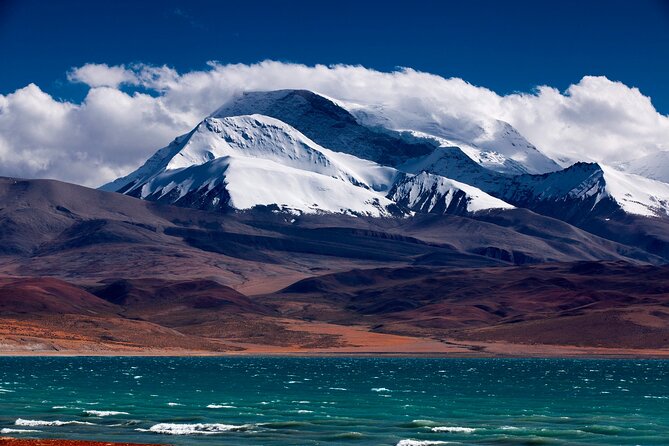
The kora begins with an eco-bus ride to Sarshung Valley. From there, you start walking and meet porters and yaks. The cost of hiring yaks, horses, or porters is not clearly included, so ask before departure if you expect to need help carrying equipment.
Day eight is the first major walking day. The route takes you into the Kailash area, where the mountain’s importance is religious as well as scenic. A kora is a clockwise circuit around a sacred place, and this one is meaningful in Buddhist practice. The route is not a casual trail walk, especially at this altitude.
Day nine is the hardest section. You climb to Dromala Pass at 5,630 meters, the highest point of the circuit. After a short break, you descend into a long valley and stop for lunch. The descent does not make the day easy. High altitude, thin air, cold, uneven ground, and fatigue can all become serious concerns.
You need strong physical fitness for this part of the tour. The presence of emergency oxygen is reassuring, but it is not a substitute for acclimatization, medical advice, or the ability to turn back if you become unwell.
Day ten is described as an easier walking day. You trek about nine kilometers to complete the kora, then take the eco-bus back to Darchen. Lake Manasarovar is included in this section of the route. In Buddhist belief, completing a circuit around the holy mountain has spiritual meaning, and the walking itself is a major part of the pilgrimage.
This is the point where the tour becomes more than a sightseeing circuit. You are not simply taking photographs of Kailash. You are following a religious route that has meaning for people who come here to pray, walk, and make offerings.
Remote monasteries on the return route
The return journey is not an empty transfer. Day eleven includes a long drive from the Kailash region toward Lhatse, with unnamed lakes and rivers and seven high mountain passes along the way.
You should treat these days as expedition-style travel. The scenery can be extraordinary, but the schedule offers fewer formal stops, and much of your time will be spent in the vehicle. Bring snacks and make sure your phone or camera is protected from cold, dust, and limited charging opportunities.
Sakya Monastery is the main stop on day twelve. It is the principal monastery of the Sakyapa tradition and was built in the 1360s. The monastery’s fortified appearance and surrounding walls give it a different character from the earlier sites in Lhasa and Shigatse.
The two-hour visit is enough to appreciate the complex and its religious setting. It also breaks up the return drive with a site that has its own architectural and historical identity.
Back to Lhasa for a softer final day
Day thirteen returns you from Shigatse to Lhasa along a northern route. You pass through the Yarlung Tsangpo valley and stop in Nyemo, where you may visit a Tibetan incense workshop. This offers a practical look at a local craft rather than another grand monument.
Day fourteen is deliberately free. You can rest, walk in Lhasa, shop, or arrange an activity with your guide, although additional plans need approval from the other group members. After the long road journey and the Kailash trek, this open day is valuable. I would keep it flexible instead of filling every hour.
On day fifteen, the included transfer takes you to Lhasa Gonggar Airport or the railway station. Drop-off times are listed as 8:30 am, 12:30 pm, and 2:30 pm, so confirm that your departure fits one of those slots.
What the $2,280 price really covers
At $2,280 per person, the price is strong for a route with this many permits, transfers, entrance fees, and remote overnight stops. Tibet travel requires special permits, and this tour includes the necessary Tibet Travel Permit arrangements, express delivery of the permit, transport with fuel and parking, accommodation, and food and lodging for the guide and driver.
You also receive breakfast on 10 mornings, two bottles of mineral water per person per day, a sleeping bag, emergency oxygen, and the two listed shuttle bus charges near Kailash. Those details matter because small costs and difficult logistics can mount quickly on a remote trip.
The price is based on twin rooms. A single supplement applies if you want a room alone, although the operator says it will try to match solo participants with another person so the supplement can be refunded. Solo bookings should be made more than 50 days ahead.
The price does not include flights or trains, insurance, personal spending, optional sights, or anything not listed under inclusions. The tour is also non-refundable and cannot be amended after booking, so do not pay until your dates, documents, health, and transport plans are firm.
Permits, group size, and practical planning
The maximum group size is 12, a sensible limit for a route involving long drives and remote accommodation. A group can make the road days more social, but it also means your free time and optional activities may depend on everyone else.
You need to send passport and China visa copies in advance. The Tibet Tourism Bureau Permit often takes about 12 working days, and missing documents may bring an extra fee of $50 to $80 per permit. Book at least 12 working days before departure if you want to join an existing group.
The entry rules depend on your route. If you fly from mainland China, the original permit is sent to your hotel in China. If you take a train from mainland China, a printed copy is sent by email. If you fly from Kathmandu, you do not need a Chinese visa, but you do need a Tibet Group Visa arranged through the Chinese Embassy in Kathmandu.
The tour starts at 9:00 am, but first-day airport pickup runs at set times. Confirmation is normally issued within 48 hours, subject to availability. If your departure is less than 12 days away, contact the operator immediately, but do not assume the permits can be arranged in time.
Who should book this Tibet journey
You should consider this tour if you want a single organized route through Lhasa, Everest, and Kailash rather than separate arrangements for each region. It suits people who value access and logistics more than luxury, and who can accept basic lodging, long drives, changing schedules, and high-altitude walking.
It is a poor fit if you dislike rough roads, shared group decisions, cold nights, or strenuous trekking. The Dromala Pass crossing is the key test, and the route reaches elevations where a strong level of fitness is essential.
The experience received a 4.6 rating from 17 reviews, with 94 percent recommending it. One particularly positive assessment praised the unusually broad service for the price and the difficult permit arrangements. That matches the main strength here: the tour puts a complicated pilgrimage route into one organized package.
Should you book it?
Book this tour if Mount Kailash is your main goal and you also want Lhasa and Everest Base Camp included. The combination of permits, transport, accommodation, entrance fees, guide service, and a small group gives the $2,280 price genuine value.
Before paying, confirm the exact sleeping arrangements near Everest and Kailash, ask about porter and yak charges, check the single supplement, and make sure your departure fits the transfer times. Most of all, be honest about your fitness and altitude experience. If you can handle the physical demands and accept a basic, changeable schedule, this is a remarkably full way to cross Tibet.
FAQ
Is airport pickup included in the tour?
Yes. Pickup from Lhasa Gonggar Airport is included on the first day at 9:30 am, 1:00 pm, and 4:00 pm. Drop-off on the final day is available at 8:30 am, 12:30 pm, and 2:30 pm.
Does the tour include the Tibet travel permits?
Yes. The necessary Tibet permits and express delivery of the Tibet Travel Permit are included, but you must provide passport and China visa copies in advance. Permit processing often takes about 12 working days.
How difficult is the Mount Kailash kora?
The tour requires strong physical fitness. The most demanding day includes the climb to Dromala Pass at 5,630 meters, followed by a descent into a long valley. The circuit takes three days, with about nine kilometers walked on the final day.
Are flights or trains included?
No. Flights and train tickets are not included. Transfers to and from Lhasa Gonggar Airport or the Lhasa railway station are included on the first and final days.
Is accommodation included?
Yes. Accommodation is included throughout the tour, using hotels, guesthouses, and nomad tents as listed for the route. A sleeping bag is also supplied.
Can a solo participant join the group?
Yes. Solo bookings are accepted, but the operator asks solo participants to book more than 50 days in advance. The listed price is based on twin rooms, and a single supplement may apply unless you are matched with another participant.
Recently listed in China
- Nanjing By Night: Qinghuai River Cruise with Authentic Dining Experience★ 5.0 · 5 reviews
- Flexible Hangzhou Private Day Tour with Lunch★ 5.0 · 5 reviews
- 1 day Car Hire in Shenzhen with Driver (10 hours)★ 3.0 · 5 reviews
- Beijing Mutianyu Great Wall Private Tour with Lunch★ 5.0 · 5 reviews
- Customized Private Beijing Layover City Tour★ 5.0 · 5 reviews
- Private Tour of Shanghai Highlights and Zhujiajiao Water Town in One Day★ 5.0 · 5 reviews
- 4-Hour Suzhou Private Flexible Tour with Garden and Boat Ride Option★ 5.0 · 5 reviews
- Private Tour to Gubei Water Town and Simatai Great Wall with Cable Car and Lunch★ 5.0 · 5 reviews
Tibet Tours, compared.
Tibet Tour 8 Days Lhasa to Everest Base Camp Small Group Tour
Read our review →
7 Days Lhasa to Kathmandu Overland Small Group Tibet Tour via EBC
Read our review →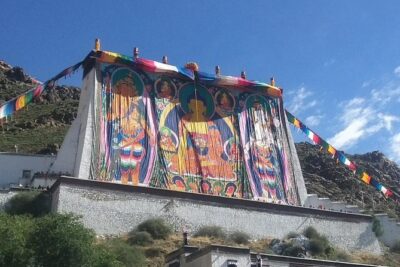
10 Days Tibet Everest Base Camp and Namtso Small Group Tour
Read our review →
8 Days Lhasa Gyantse Shigatse Mt Everest Group Tour
Read our review →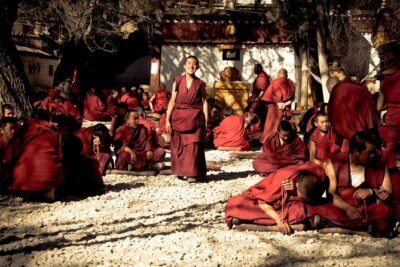
Private Guided Day Tour Potala Palace and Sera Monastery
Read our review →Browse the lists this tour appears in