
Reviewed · CHENGDU TOURS
Half-Day Chengdu Cooking Class with a Local Market Visit
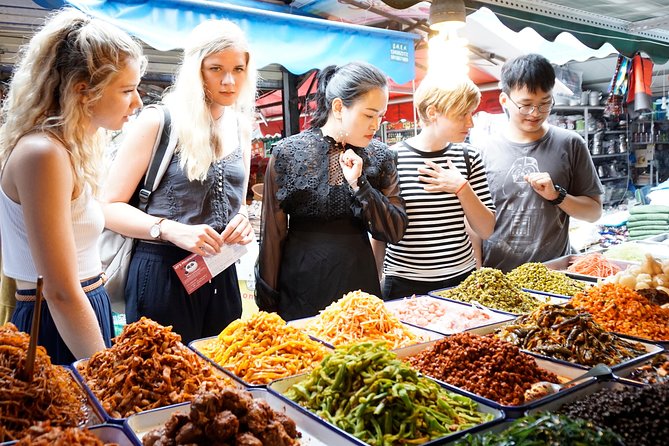
Chengdu’s best food lesson may begin far from a restaurant. You start at Liangjiaxiang market, where Lance or Jerry helps you identify chilies, Sichuan pepper, vegetables, fruit, and other ingredients before taking you into the kitchen to cook with them. It is a smart way to understand why Sichuan food tastes the way it does.
I like the market visit because it gives you a look at ordinary food shopping, not a staged tasting stop. I also like the hands-on cooking, with a chef showing you how to chop, heat the wok, and balance spice. The main caution is that the tour runs about four hours and involves walking, market smells, hot oil, and strong flavors, so it may not suit very young children or anyone hoping for a quiet meal.
Key points at a glance
- Liangjiaxiang market comes first: Learn about fresh produce, chilies, spices, snacks, and local shopping habits before cooking.
- English support is built in: Lance and Jerry guide the group and translate instructions from chefs including Lee and Lei.
- You cook several dishes: Past sessions have included mapo tofu, kung pao chicken, twice-cooked pork, stir-fried cabbage, cucumber salad, and dumplings.
- The meal is your own work: After cooking, you sit down to eat the dishes with beverages, beer, tea, or light refreshments included.
- Vegetarian cooking is possible: Tell the operator about vegetarian needs or other dietary requirements when booking.
- The group stays limited: The maximum is 15 people, with group discounts and private options available.
Why this Chengdu cooking class works
Chengdu is famous for food that is not shy. Sichuan cuisine combines heat, salt, sour notes, fragrance, and the tingling effect of Sichuan pepper. You can eat excellent versions of these dishes all over the city, but a cooking class lets you see the method behind the flavor.
This experience links three parts of a meal: shopping, preparation, and eating. You first see the raw ingredients in a working market. Then you handle them in a clean kitchen. Finally, you taste what you made. That simple order gives the afternoon a clear purpose.
I especially like the way the class connects food with daily life. The market is not just a place to collect ingredients. Your guide can explain what people buy, how vegetables are chosen, and how spices shape local cooking. You may also sample fruit, sweets, dumplings, or other market foods along the way.
The tour is offered as a small-group or private experience, with a maximum of 15 participants. That is small enough for useful instruction, though the amount of personal attention can depend on the size of your group and the number of dishes being prepared.
More Cooking Classes in Chengdu
- Chengdu: Cooking Class with Fresh Market Half Day Experience
★ 5.0 · 42 reviews - Half-Day steamed Buns Cooking Class with a Local Market Visit
★ 5.0 · 26 reviews - Half-Day Professional Mapo Tofu Cooking with a Local Market Visit
★ 5.0 · 19 reviews
Meeting the guide near Yi Huan Lu
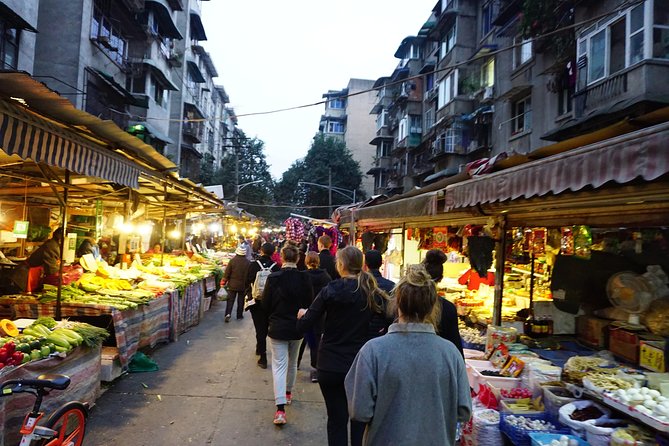
The listed meeting point is 163-11 Yi Huan Lu Bei San Duan, Jinniu District, Chengdu, near public transportation. Several sessions have begun around a subway station, making this a practical choice if you are staying in central Chengdu. Check the exact meeting instructions carefully before setting out, since the official start point is the meeting address rather than a general hotel area.
Lance is often involved as the English-speaking host and translator. Jerry has also led market walks and helped participants get settled. Both names appear repeatedly in the experience, and the guides’ role matters because the chef’s instruction may need translation as the cooking moves quickly.
Arrive ready to walk. Comfortable shoes are listed as a requirement, and that is good advice. A market visit can mean standing, weaving through stalls, and stopping often. Wear clothes you do not mind wearing around food, oil, and market odors. The tour operates in all weather, so bring suitable clothing for the season.
Liangjiaxiang market, where the lesson really begins
The market section is the most useful part for anyone who has eaten Sichuan food but cannot name what is in the bowl. You may see fresh vegetables, chilies, peppercorns, fruit, spices, and prepared foods. Rather than simply following a guide past the stalls, you can expect explanations about how these ingredients are used.
The market also gives you a chance to test your senses. You may taste unfamiliar fruit or snacks, examine different chilies, and compare ingredients that look similar but behave differently in a wok. In some sessions, participants have tried making dumplings at a market stall or practiced ordering food in Chinese.
That small language element is a nice touch. You do not need Chinese to take the tour, but trying a few phrases makes the market feel less like a display and more like a place where you are taking part. Lance or Jerry can help with translation and answer questions about what you see.
The market is described as clean and tucked away from the city’s more obvious tourist routes. Do not expect a polished food hall or a formal culinary museum. Its value is the chance to see ordinary ingredients in their local setting.
One practical point: the market may challenge your vocabulary. If you cannot tell one leafy vegetable from another, you are in good company. The point is to learn, not to pass a produce exam.
Tea, snacks, and the shift to the kitchen
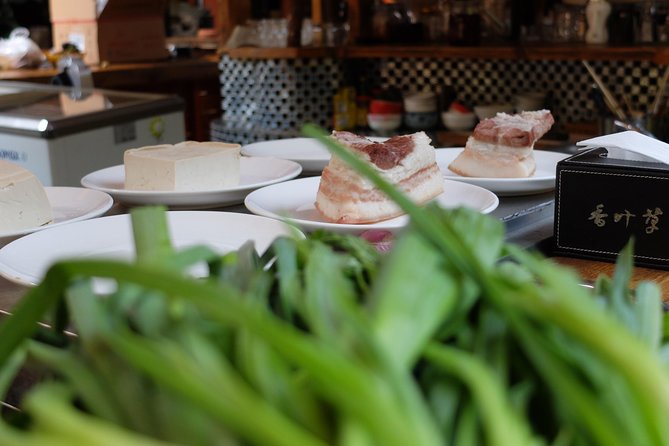
After the market, the experience moves to Chilli Cool’s Kitchen. The setting has been described as comfortable, homelike, and clean, with a well-equipped cooking area. You may have tea and light refreshments before the main preparation begins.
This pause helps. The market walk can be full of new sights and smells, and a few minutes with tea gives you time to ask questions before the cooking starts. It also creates a natural transition from shopping to cooking.
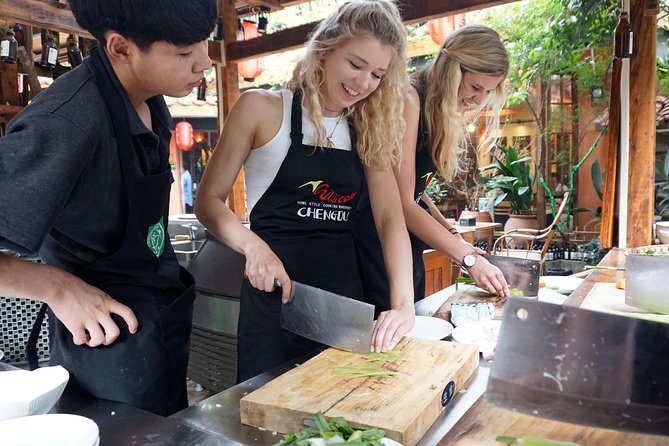
The kitchen is not just a demonstration room where you watch a chef work. You are expected to prepare food yourself. Ingredients may already be arranged for the class, but the instruction covers practical steps such as chopping vegetables, heating the wok, managing oil, and adding ingredients in the right order.
More Market Tours in Chengdu
- Half-day Dandan Noodles Cooking Class with a Local Market Visit
★ 5.0 · 8 reviews
Cooking mapo tofu, stir-fries, and dumplings
The exact menu can vary, but the class typically includes several Sichuan dishes. Examples from different sessions include mapo tofu, kung pao chicken, twice-cooked pork, stir-fried cabbage, cucumber salad, and dumplings or wontons. One session included three main dishes and an extra serving of dumplings.
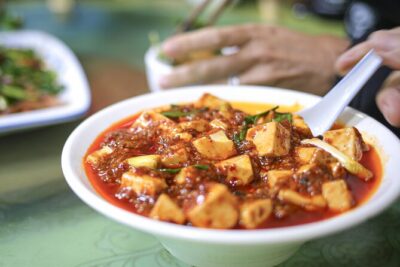
Mapo tofu is a particularly good teaching dish. It shows how a simple combination of tofu, minced meat or a substitute, fermented bean paste, chilies, and aromatics can produce a layered result. You learn that Sichuan heat is not only about adding more chili. Timing, oil, seasoning, and the gentle handling of tofu all matter.
A stir-fried cabbage dish may seem less dramatic, but it teaches the same basic lesson: high heat and quick movement. You learn how the wok changes the texture of a vegetable and why ingredients must be ready before cooking begins.
Kung pao chicken introduces another side of Sichuan cooking, with a balance of savory, spicy, and slightly sweet flavors. Twice-cooked pork shows a different process again. The pork is prepared in stages, then cooked with seasonings and vegetables. These dishes give you useful methods rather than one narrow recipe.
Dumplings and wontons add a hands-on task that is easy to enjoy and hard to perfect immediately. Folding them looks simple until you try it. The class treats this as part of the fun, and you get a chance to practice without needing restaurant-level precision.
Chef Lee, also referred to as Auntie Lee, and Chef Lei have taught sessions alongside the English-speaking hosts. The chef demonstrates the food while Lance or Jerry translates and explains the process. This arrangement lets you ask questions and follow the steps without losing the pace of the cooking.
What you actually learn
The strongest part of the class is not the recipe sheet alone. It is learning how to make decisions while cooking. You see how much oil to use, how hot the wok should be, when to add aromatics, and how to adjust seasoning.
Recipes are included, so you can try the dishes at home. That matters because the class moves quickly and you may not remember every measurement. The more useful lesson, though, is learning what the food should look and smell like at each stage.
You also gain a better sense of the ingredients. Sichuan pepper is not simply another type of pepper. It creates a numbing, tingling sensation that changes how chili heat feels. Different chili products and fermented seasonings can also affect color, fragrance, salt, and sweetness.
The guides help make these distinctions clear. Lance has been praised for translating continuously rather than leaving participants to watch silently. Jerry has also led the group through the market and kitchen with explanations about food and local life.
Sitting down to eat what you made
The final meal is the reward, but it is also part of the lesson. You eat the dishes prepared during the class, with beverages included. Depending on the session, that may include tea, soft drinks, beer, or other refreshments.
Eating your own food changes the meal. A dish that looks simple on the plate now carries a sequence of decisions: the chopping, the heat, the seasoning, and the timing. You can compare your results with the chef’s version and see where your technique worked or went off course.
The meal is served back at the meeting point, so you do not need to arrange a second restaurant stop immediately afterward. Lunch or dinner is included according to the class schedule. Food tasting and ingredients are also covered, which keeps the price clear from the start.
The experience is social. You may cook with other participants, then sit down together. If you want a private class, that option is available, but the group format can be a pleasant way to meet people during a Chengdu visit.
Is $90 a fair price?
At $90 per person, this is not the cheapest way to eat in Chengdu. You can have a filling local meal for far less. The price makes more sense if you value instruction, translation, market access, ingredients, and a prepared meal in one four-hour experience.
The cost includes the guide, market tour, food ingredients, cooking class, drinks, light refreshments, food tasting, recipes, and lunch or dinner. You are not paying only for a meal. You are paying for the time and help needed to make sense of a cuisine that can be difficult to navigate on your own.
I see good value here for first-time visitors who want context with their food. It is also useful for solo visitors, since the class can provide a structured activity and does not depend on assembling a large private group. Group discounts may help families or friends traveling together.
The value is weaker if you already cook Sichuan food confidently or mainly want a quick tasting. Four hours is a sizeable part of a Chengdu day, and the class is about participation rather than simply being served.
The experience is booked, on average, 18 days ahead. That suggests planning early, especially if your Chengdu stay is short or you need a particular class schedule.
Vegetarian visitors and families
A vegetarian option is available, but you must request it when booking. Do not wait until you reach the kitchen. You should also report allergies or other dietary needs in advance so the team can plan properly.
The minimum age is five. That makes the class possible for families, but the practical fit depends on the child. A young participant may enjoy dumpling making and tasting fruit, while the market walking and hot-wok work may require close attention.
Anyone sensitive to spicy food should ask questions before booking. Sichuan cooking does not always mean extreme heat, but chilies and Sichuan pepper are central to many dishes. The class is designed to teach flavor, not just burn, yet you should be open about your tolerance.
What to know before you book
Bring comfortable walking shoes and clothing suited to the weather. The tour runs in rain or shine. Since the activity includes a market, tea, cooking, and a full meal, avoid scheduling a rushed attraction immediately afterward.
Passport name, number, expiry date, and country are required for every participant at booking. Confirmation is provided when you book, and mobile tickets are supported.
The experience ends at the same meeting point. Some individual sessions have included extra help, such as assistance buying spices to take home or getting to a train station, but those favors should not be treated as a guaranteed part of every departure.
Cancellation is flexible up to 24 hours before the start time for a full refund. Changes or cancellations made less than 24 hours ahead are not accepted for a refund, using local Chengdu time as the cutoff.
Who should book this class?
I would choose this for anyone who wants food to explain the city. It suits curious eaters, first-time Sichuan cooks, solo visitors, couples, families with older children, and people who enjoy learning by doing.
It is also a strong choice if you have already sampled mapo tofu, hotpot, or kung pao chicken and want to understand the techniques behind them. The market makes the class more grounded than a cooking lesson held in an isolated studio.
I would hesitate if you dislike spicy food, have severe dietary restrictions that were not discussed in advance, or prefer a quiet, polished demonstration. The market is active, the cooking is hands-on, and the four-hour schedule asks for some energy.
Should you book it?
Book it if you want more than a restaurant meal and have room for a half-day food lesson in your Chengdu plans. The combination of Liangjiaxiang market, English translation, local chefs, practical recipes, and a meal made by you gives the experience real substance.
For the best result, request vegetarian or dietary adjustments early, confirm the meeting point, and go in ready to taste unfamiliar ingredients. At $90, it is a deliberate splurge, but one that can continue paying off when you recreate Sichuan dishes at home.
FAQ
How long does the Chengdu cooking class last?
The experience lasts approximately four hours.
Where does the experience begin?
It begins at 163-11 Yi Huan Lu Bei San Duan in Jinniu District, Chengdu, Sichuan, China.
Where does the experience end?
The activity ends back at the meeting point.
Is the market visit included?
Yes. A guided visit to Liangjiaxiang market is included, with explanations about local ingredients and spices.
Is the cooking class taught in English?
An English-speaking guide is included. Lance or Jerry may guide the experience and translate the chef’s instructions.
Which dishes will I cook?
The menu can vary. Dishes prepared in sessions have included mapo tofu, kung pao chicken, twice-cooked pork, stir-fried cabbage, cucumber salad, dumplings, and wontons.
Is food included in the price?
Yes. Ingredients, food tasting, light refreshments, beverages or beer, and lunch or dinner based on the class schedule are included.
Are recipes provided?
Yes. Recipes are included after or as part of the cooking experience.
Can vegetarians join?
Yes. A vegetarian option is available, but you must advise the operator when booking.
What is the cancellation policy?
You can cancel at least 24 hours before the start time for a full refund. Cancellations or changes made less than 24 hours before the experience are not accepted for a refund.
More workshops and classes in Chengdu
- Half-Day Sichuan Cooking Class Experience in Chengdu
★ 4.0 · 17 reviews - Private Panda Tour with Cooking Class One-day Trip
★ 5.0 · 11 reviews - Half day Chengdu Dumpling Class: Make from Scratch
★ 5.0 · 8 reviews - Beijing Calligraphy Class
★ 4.9 · 112 reviews
More shopping trips in Chengdu
- Mini Group Xian Day Tour to Terracotta Army, City Wall, Pagoda and Muslim Bazaar
★ 5.0 · 1,320 reviews - Shanghai Day Tour to Zhujiajiao Water Town, Yu Garden, Bazaar, Bund
★ 5.0 · 162 reviews - Hong Kong: Kowloon Street Market & Food Culture Walking Tour
★ 5.0 · 105 reviews - Organic Chinese Dumpling Class with Market Walk
★ 5.0 · 88 reviews
Recently listed in Chengdu
- Full-Day Tour of Leshan’s Giant Buddha from Chengdu★ 5.0 · 5 reviews
- Unique One-Day Tour: Interactive Experience with Red Pandas★ 5.0 · 5 reviews
- Chengdu Nightlife Experience with a Local: Bars, Clubs & Culture★ 5.0 · 5 reviews
- Half-Day Tour at Chengdu Panda Breeding Research Base★ 4.0 · 5 reviews
- Private Day Tour: Dujiangyan Panda Base Volunteering from Chengdu★ 4.0 · 5 reviews
- Private Day Tour: Chengdu Panda and Leshan Buddha★ 4.0 · 5 reviews
- One Day Giant Panda Leisure Private Tour in Chengdu★ 5.0 · 5 reviews
- Chengdu: Giant Panda Base Reservation and Entry★ 5.0 · 5 reviews
Chengdu Tours, compared.


Private Half-Day Chengdu Panda Breeding Center Tour with Optional Volunteer
Read our review →
Sichuan Opera Shu Feng Yan Yun Evening Show Ticket
Read our review →
Private Chengdu Day Tour: Giant Pandas and Jinsha Site Museum
Read our review →
Visiting Dujiangyan Yaan Wolong Panda Base Optional Volunteering
Read our review →
Chengdu Sichuan Opera Show Ticket – Shu Feng Ya Yun
Read our review →
Browse the lists this tour appears in