
Reviewed · HONG KONG TOURS
Small Group Kowloon Michelin Rated Street Food and Culture Tour
Kowloon is best understood at street level, plate by plate. This four-hour evening walk takes you from Sham Shui Po’s local food stalls through Mong Kok’s neon-lit markets to Yau Ma Tei’s old fruit market and Tin Hau Temple. The food includes two Michelin-recommended or Bib Gourmand stops, but this is still humble street food, not fine dining.
I like the small maximum group of eight, which makes it easier to hear your guide and ask questions in crowded streets. I also like the route’s mix of eating and everyday life: you are not simply carried from restaurant to restaurant, but shown markets, housing conditions, transport, temples, and local gathering places.
The main caution is the pace. You walk about five miles in hot, humid weather, sometimes through packed streets, and the food may feel too simple if you expect expensive Michelin-style meals. Vegetarians, pescatarians, and vegans should choose another tour.
Key points before you book
- Two Michelin-recognized food stops: Expect Bib Gourmand or Michelin-recommended local eateries, not white-tablecloth restaurants.
- Three Kowloon districts in four hours: The route covers Sham Shui Po, Mong Kok, and Yau Ma Tei.
- Seven to nine tastings: Food can include cheong fun, pork, egg sandwiches, wonton noodles, egg tarts, desserts, fruit, soup, and other local specialties.
- Guides who shape the experience: Andy, Kiyo, Mel, and Sinclair have led tours, with a strong focus on food, history, and daily life.
- A genuine walking workout: You need to manage about five miles at a reasonable pace in heat and humidity.
- Easy public transport access: Meet at Exit A inside Sham Shui Po MTR station at 3:30 pm, then finish around Yau Ma Tei MTR station.
Why this route gives you more than a meal
Hong Kong food tours can easily become a string of anonymous restaurant visits. This one has a broader purpose. Food is the thread, but the route also shows how people shop, commute, live, work, and spend their evenings on the Kowloon side.
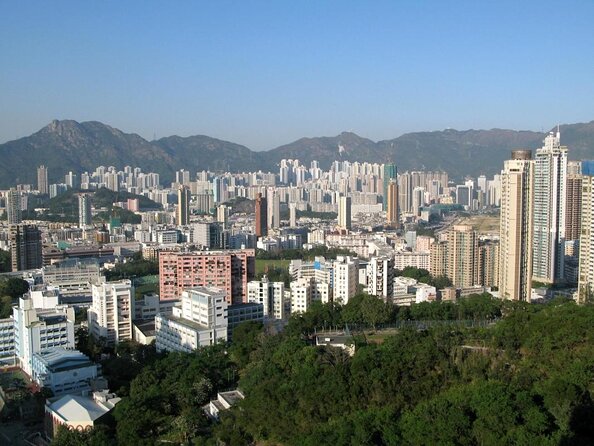
That matters because Sham Shui Po, Mong Kok, and Yau Ma Tei feel quite different from the polished towers and shopping malls often associated with Hong Kong. You see streets where old signs, narrow storefronts, market stalls, apartment buildings, and temples sit close together.
The late-afternoon start is smart. Hong Kong can be tiring in the middle of the day, especially in warm, damp weather. Beginning at 3:30 pm gives you a cooler portion of the day and carries you into the city’s evening rhythm, when markets light up and Kowloon becomes especially lively.
You will have an English-speaking guide throughout. Guides named Andy, Kiyo, Mel, and Sinclair have led this experience, and the strongest part of the tour is the explanation around each stop. A good guide helps you understand why a food is eaten, how a neighborhood developed, or what a market tells you about local life.
More Food Tours in Hong Kong
- Hong Kong: Street Food Tour with Locals – Dim Sum and Wonton
★ 4.8 · 673 reviews - Hong Kong’s Tin Hau Hidden Eats Food Tour with 7+ Local Tastings
★ 5.0 · 352 reviews - Small-Group Hong Kong Island Food Tour
★ 5.0 · 343 reviews
Starting in Sham Shui Po with simple, serious food
Meet at Exit A inside Sham Shui Po MTR station. Do not arrive expecting hotel pickup. You make your own way to the station, and the MTR is the natural way to reach the starting point.
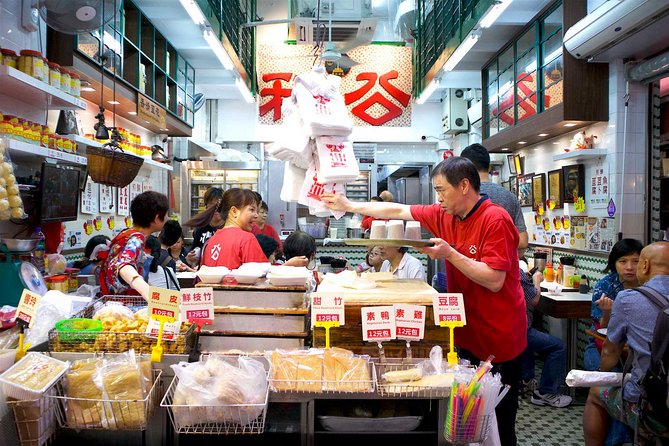
Sham Shui Po is the first major stop and sets the tone. This is not Hong Kong presented as a postcard. It is a working neighborhood where the food is affordable and practical, and where the streets offer a closer look at ordinary urban life.
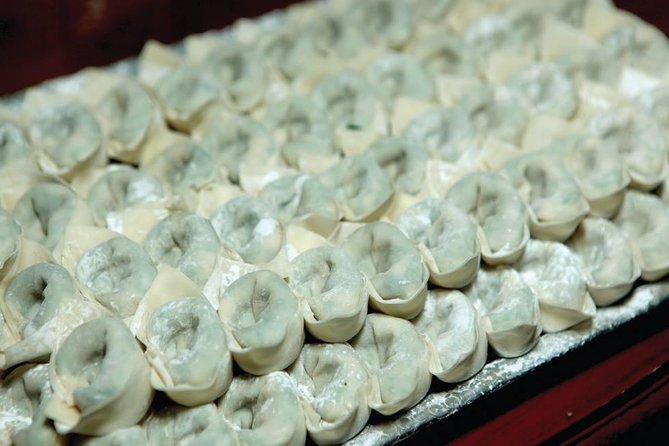
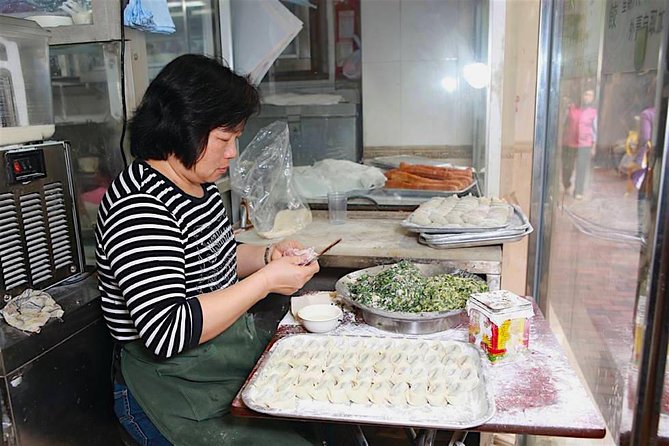
Early tastings may include pork and cheong fun, a soft rice noodle dish often served with sauce; a beef and egg sandwich; wife cake; and tong shui, a Chinese dessert soup. These are not delicate tasting-menu portions. Several food stops together can make a surprisingly substantial meal, so arrive hungry and pace yourself.
The beef and egg sandwich offers a familiar entry point, while cheong fun and tong shui may be less familiar. Wife cake is a traditional pastry with a sweet filling. The point is not that every bite will suit every palate. The point is to try foods you might pass by if you were wandering alone.
One drink is included. Depending on the day and the group, that may be milk tea, an almond shake, water, or another available choice. Additional drinks may be available at later stops, but you should not treat the included drink as an open bar.
What Michelin means here
The tour’s Michelin references need a little translation. The two featured places are Michelin-recommended or Bib Gourmand stops, subject to daily availability. That is different from dining at a Michelin-starred restaurant.
Bib Gourmand recognition generally points to good-value food, and that fits the places on this route. You may eat at a street stall or a plain local shop where the food remains inexpensive. That is not a contradiction. The low price is part of the appeal.
If you expect polished service, grand surroundings, or elaborate presentation, you could be disappointed. If you want to understand how a modest bowl of noodles can earn serious attention, the format makes sense.
Daily availability can affect the exact dishes and venues. The advertised tastings are a guide rather than a rigid promise. The tour includes seven to nine food samples, but the precise selection may change.
Mong Kok markets, neon signs, and fish for good fortune
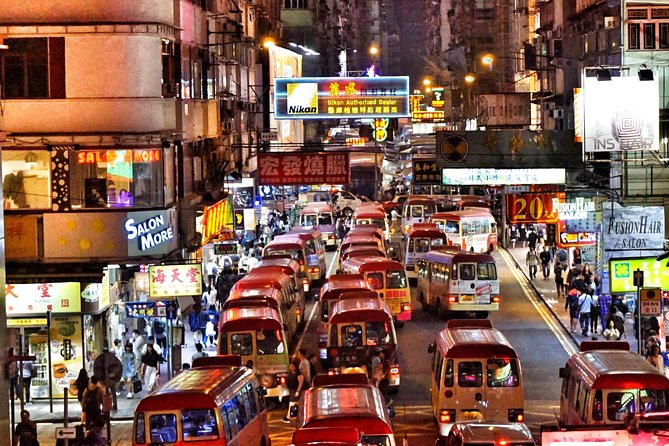
From Sham Shui Po, the route moves toward Mong Kok. This district is known for dense streets, shopping, markets, and glowing signs. It is a place where you need to stay close to the group and watch your footing, especially when the sidewalks fill.
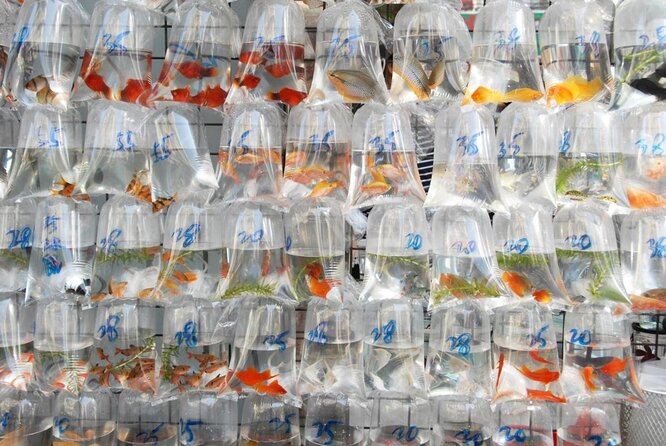
Fa Yuen Street Market gives you a look at everyday shopping rather than luxury retail. You might see clothing, household goods, produce, and other practical items. The Goldfish Market is more unusual. Rows of fish in bags and tanks are linked to traditional ideas about luck and prosperity.
This is a useful cultural stop because it shows how commerce and belief overlap in Hong Kong. Your guide may discuss the practice of keeping fish, local ideas about good fortune, and the social meaning of the market. The fish market can be fascinating, but some people may find the display uncomfortable or crowded.
Mong Kok is also one of the best parts of the tour for photography. Neon lights, signs, narrow streets, market displays, and dense foot traffic create a very different scene from the quiet temple later in the route. Bring your phone or camera, but do not let photos slow the group.
The walking is fast enough to cover a lot. That helps you see more, but it also means you may not have long at every market. If you prefer slow browsing and extended shopping time, this is not the right format.
A very different day in Hong Kong:
- Hong Kong: Victoria Harbor Symphony Unlimited Drink Cruise
★ 4.3 · 1,873 reviews - Lantau Island Day Trip – Big Buddha & Tai O
★ 4.5 · 1,328 reviews - Hong Kong: Victoria Harbour Evening Cruise with Drinks
★ 4.6 · 1,260 reviews - Hong Kong: City Highlights Guided Tour w/Entry Fees & Lunch
★ 4.4 · 1,178 reviews
Wonton noodles and egg tarts
At some point in Mong Kok, you stop for wonton noodles at a Michelin-recommended venue. This is one of the tour’s more recognizable Hong Kong dishes, and it gives you a chance to compare a proper noodle stop with the earlier street snacks.
Egg tarts follow or appear at another nearby stop. Their familiar appearance makes them an easy favorite, but the tour is not designed around only safe choices. Depending on the group and the day, you may also encounter dishes such as goose with crisp skin, fried French toast, soup, or other Cantonese specialties.
The food is usually served across several locations rather than in one long sit-down meal. That keeps the tour moving and lets you sample more, though it means you should not expect a single formal dinner table.
The quantity can be generous. Some people finish feeling completely full, and that is why eating beforehand is a bad idea. If you have a small appetite, tell your guide early. Guides such as Mel have accommodated group preferences when possible, and the small group makes those conversations easier.
Do not assume every dish can be replaced. The tour is specifically unsuitable for vegetarians, pescatarians, and vegans. Anyone with allergies should ask the operator before booking and repeat the concern to the guide at the meeting point.
Yau Ma Tei’s fruit market and Tin Hau Temple
The final section takes you to Yau Ma Tei, where the mood shifts from market spectacle to older neighborhood character. The Wholesale Fruit Market dates from 1913 and remains one of the route’s most distinctive sights.
Its rustic buildings and old signs are especially appealing for photography. This is not a polished attraction with a staged display. It is a working market, so the experience depends on what is happening when you arrive. You should follow your guide’s instructions and avoid blocking workers or access points.
The market also helps explain the practical side of Hong Kong food culture. Earlier, you have tasted prepared dishes. Here, you see part of the supply system behind the city’s kitchens and fruit shops.
Tin Hau Temple provides a quieter close. It is a Taoist temple dedicated to Tin Hau, a figure associated with the sea and protection. You also hear about favorite gathering places for older residents, adding another layer to the neighborhood beyond food and shopping.
This ending is a good counterweight to Mong Kok. You get crowded streets and neon, then a temple and a more reflective look at local customs. The route may not include Hong Kong’s famous harbor light show, so do not book it expecting a waterfront finale. Its focus is Kowloon’s neighborhoods, not the skyline across the bay.
How much walking and heat should you expect?
The tour lasts about four hours and requires roughly five miles of walking at a reasonable pace. That distance is spread across city streets, markets, and neighborhood lanes, with food stops along the way, but it remains a physical outing.
Hong Kong’s heat and humidity can make five miles feel longer. Wear comfortable walking shoes and bring water beyond the one included drink. Loose, breathable clothing is sensible, particularly during warmer months.
The tour is not suitable for people with walking difficulties. It is also not a good choice if you want frequent seated breaks or a slow, gentle stroll. The group must stay on schedule to reach all three districts.
The MTR is part of the practical experience. You may use public transport during the route, so carry an Octopus card or a credit card that works for transit. You will also need to manage station entrances, sidewalks, crowds, and stairs as part of the day.
Is $115.46 fair value?
At $115.46 per person, this tour is not cheap if you judge it only by the price of the food. You could buy many inexpensive street snacks on your own for far less.
That is the wrong comparison, though. The cost covers an English-speaking guide for four hours, route planning, several tastings, one drink, transport elements, and the chance to move confidently through neighborhoods that can be confusing on a first visit. You are paying for context and access, not just calories.
The value is strongest if you want someone to explain the food and connect it to Hong Kong’s social life. A guide can show you what to order, explain unfamiliar dishes, and point out details you might otherwise miss. You also avoid spending part of your limited holiday time guessing which stall to choose.
The value is weaker if you already know Kowloon well, speak Cantonese, or mainly want the cheapest possible meal. It is also weaker if you expect luxury dining because of the Michelin wording. Think of this as a guided introduction to local food culture, with Michelin-recognized cheap eats included.
The tour had 10 or more bookings in the previous month, and its overall rating is 4.9 from 170 ratings, with 95 percent recommending it. Those figures suggest a strong fit for people who enjoy food, walking, and cultural explanation, but they do not remove the basic limitations: heat, crowds, a brisk pace, and dishes that may not match your taste.
Who should take this Kowloon food tour?
I would recommend it to first-time Hong Kong visitors who want a quick orientation to Kowloon. It is especially useful early in a trip because guides may offer ideas for what to do and eat afterward.
Solo visitors can also benefit. A maximum of eight people creates a social setting without the unwieldy feel of a large coach group. Couples and small groups should be comfortable sharing dishes and moving through crowded areas with other people.
Food-focused visitors should come with an open mind. You may taste cheong fun, soup, wonton noodles, egg tarts, fruit, pastries, sandwiches, and other Cantonese items. Some stops may be familiar, while others may challenge your idea of what counts as a satisfying meal.
Families should note the minimum age of eight. The tour is not designed for very young children, people who cannot walk long distances, or anyone who needs a fully controlled menu.
Booking details worth keeping in mind
The tour runs in English and starts at 3:30 pm. Confirmation is provided when you book, and the meeting point is near public transport at Sham Shui Po MTR station, Exit A.
At least three people are required for the tour to operate. If that minimum is not reached, the operator may cancel after confirmation and offer another date or a full refund.
You can cancel for a full refund up to 24 hours before the local start time. Cancellations or changes made inside that 24-hour window are not refunded.
Should you book it?
Book this tour if you want a guided introduction to Kowloon’s food and daily life, and if you are happy eating inexpensive local food rather than dining in grand Michelin-starred rooms. The combination of Sham Shui Po snacks, Mong Kok markets, Yau Ma Tei’s fruit market, and Tin Hau Temple gives you a useful four-hour cross-section of the city.
Skip it if you are vegetarian, avoid seafood or unfamiliar Cantonese dishes, dislike crowded streets, or cannot comfortably walk five miles in humid weather. Also skip it if your main goal is a harbor light show or a luxury food experience.
For the right person, the strongest payoff is not one perfect dish. It is learning how to read Kowloon through its food stalls, markets, temples, and packed streets, with a guide such as Mel, Andy, Kiyo, or Sinclair helping you make sense of it all.
FAQ
Where does the Kowloon food tour start?
The tour starts at Exit A inside Sham Shui Po MTR station in Hong Kong. The scheduled start time is 3:30 pm.
Where does the tour finish?
The route finishes in Yau Ma Tei, near Yau Ma Tei MTR station. Hotel pickup and drop-off are not included.
How long does the tour last?
The tour lasts approximately four hours. The listed stops include about one hour in Sham Shui Po, one hour in Mong Kok, and 50 minutes around Yau Ma Tei, with walking and food stops between them.
How much food is included?
You receive seven to nine food tastings across Kowloon neighborhoods. One drink per person is also included.
Does the tour include Michelin-starred restaurants?
The tour includes two Michelin-recommended or Bib Gourmand stops, subject to daily availability. These are generally inexpensive local food venues, not formal Michelin-starred restaurants.
What dishes might I taste?
Possible tastings include pork and cheong fun, a beef and egg sandwich, wife cake, tong shui, wonton noodles, egg tarts, fruit, soup, and other local specialties. The exact selection may vary.
Is the tour suitable for vegetarians or vegans?
No. The tour is not suitable for vegetarians, pescatarians, or vegans.
How much walking is involved?
You need to walk about five miles at a reasonable pace. The tour takes place in hot and humid weather, so comfortable walking shoes are recommended.
What is the group size?
The maximum group size is eight people. At least three participants are required for the tour to run.
Recently listed in Hong Kong
- Small-Group Gong Relaxation Experience in Hong Kong★ 5.0 · 5 reviews
- Family-Friendly Tolo Harbour Cycling Adventure★ 4.0 · 5 reviews
- Different Tastes of Hong Kong★ 4.5 · 5 reviews
- Hong Kong Layover City Tour with 2-way Airport Express Transfer★ 3.0 · 5 reviews
- Hong Kong Private Departure Transfer: Hotel to Airport★ 4.5 · 5 reviews
- Ma On Shan Climbing Adventure★ 5.0 · 5 reviews
- Small-Group Tour: Hong Kong Local Markets Hopper [PROMOTION]★ 4.0 · 5 reviews
- Hong Kong Night Tour with a Local: Private & 100% Personalized★ 5.0 · 5 reviews
Hong Kong Tours, compared.

Victoria Harbor Symphony Unlimited Drink Cruise
Read our review →
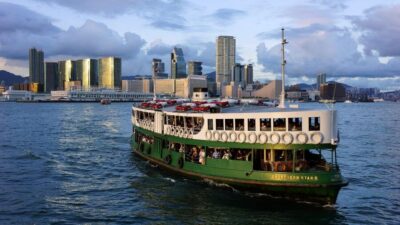
City Highlights Guided Tour w/Entry Fees & Lunch
Read our review →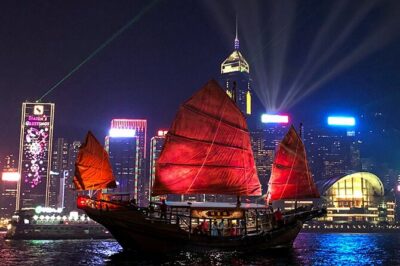
Dukling, Antique Boat Tour in Victoria Harbour
Read our review →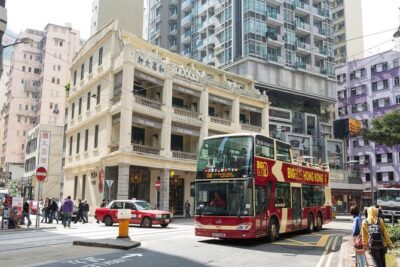
Big Bus Hong Kong Open Top Hop-On Hop-Off Sightseeing Tour
Read our review →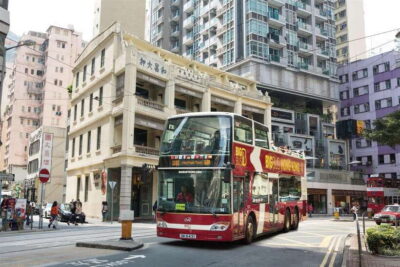
Big Bus Hop-On Hop-Off Tour & Optional Peak Tram
Read our review →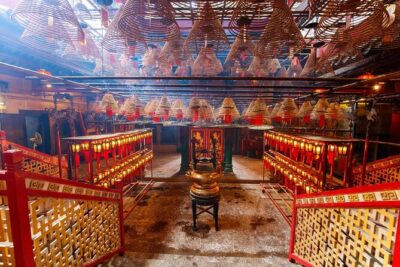
Hong Kong Day Tour: City Landmarks & Highlights
Read our review →Browse the lists this tour appears in