
Reviewed · HONG KONG TOURS
Hong Kong Street Food Tour with Locals – Dim Sum, Wonton & more
Hong Kong’s best food lesson may be eaten standing beside a market, not served beneath a white tablecloth. This three-hour walk leads you through Central and Sheung Wan for dim sum, barbecue pork, wonton noodles, egg tarts, tea and more, while a local guide explains how trade, migration and British rule shaped the city’s cooking.
I like the large range of tastings, which turns the tour into a full meal rather than a quick sample of one or two snacks. I also like the guides’ personal approach: names such as Summer, Michael, Andy, Jasmine, Wind and Stephen come up often, with strong praise for their stories, humor and help with ordering.
The main catch is food choice. Seafood, pork, wheat, dairy and sweet pastries appear throughout the route, so this is a poor fit for vegetarians, people seeking halal food, or anyone hoping for a seafood-free afternoon. Bring water, too, since it is not listed as an included drink.
Key points to know before booking
- Dim sum begins the afternoon: Har gow steamed in bamboo baskets provides an immediate taste of Cantonese tradition.
- The route mixes food with city change: You hear how Hong Kong moved from a port shaped by opium and trade restrictions to a major financial center.
- Expect a full stomach: The stops include savory dishes, desserts, milk tea, herbal tea and Chinese tea.
- Guides make the difference: Summer, Michael, Andy, Jasmine, Wind, Isaac, Stephen and Simeone have all led this experience at different times.
- It is an easy-paced city walk: You cover several Central and Sheung Wan streets, with frequent pauses, but still need moderate physical fitness.
- The food is not vegetarian or halal: Seafood and pork are central to the menu, and halal food is not provided.
Why this food walk works as a Hong Kong introduction
This tour does two jobs at once. It feeds you, then gives the food a setting. A steamed dumpling is not just a dumpling here. It connects to Cantonese teahouse culture, old trading routes and the modern habit of grabbing a snack near public transport.
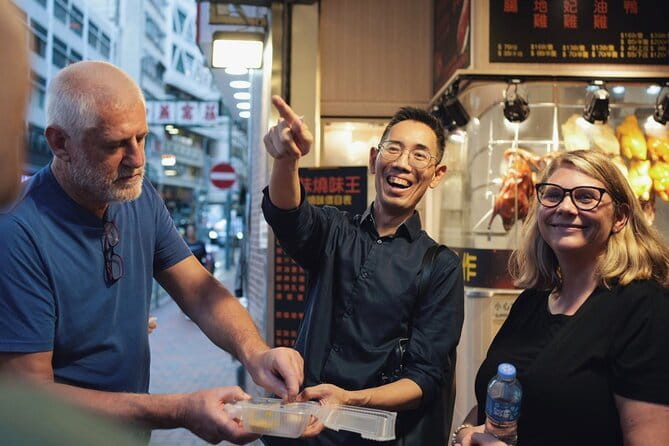
The route runs through Hong Kong Central, Sheung Wan and nearby streets where markets, old shops, offices and financial towers sit close together. You are not simply taken from restaurant to restaurant. The guide navigates the lanes, handles language questions and explains what you are eating.
That matters in Hong Kong, where a small storefront may have no English menu and where a busy market can feel confusing on a first visit. You still need to pay attention to the pace and surroundings, but you do not have to spend your afternoon comparing online recommendations.
The strongest part of the experience is the guide’s role. Summer is described as funny and informative, Michael as especially good at connecting food with the city’s past, and Stephen as an entertaining guide who explains both Hong Kong and the dishes. Andy, Jasmine, Wind, Isaac, Alice and Simeone are also named as warm and capable hosts.
Guide assignments can change, so you cannot book a particular personality with certainty from the information provided. Still, the repeated focus on local stories is important. This is not only a tasting route. It is a guided explanation of how Hong Kong eats.
More Food Tours in Hong Kong
- Hong Kong: Street Food Tour with Locals – Dim Sum and Wonton
★ 4.8 · 673 reviews - Hong Kong’s Tin Hau Hidden Eats Food Tour with 7+ Local Tastings
★ 5.0 · 352 reviews - Small-Group Hong Kong Island Food Tour
★ 5.0 · 343 reviews
Wing Lok Street and the first dim sum lesson
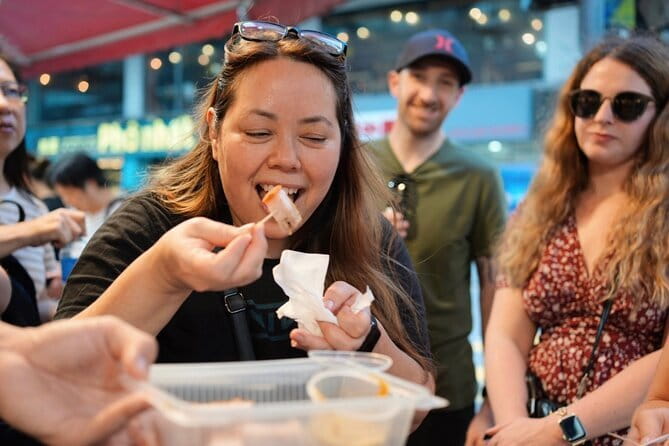
The first food stop is on Wing Lok Street, where you taste har gow, the translucent shrimp dumplings usually steamed in bamboo baskets. The portion gives you a gentle start, but do not mistake the first bite for the whole meal. Many more samples follow.
The guide places dim sum in a wider Cantonese setting, explaining how small dishes developed from food associated with long journeys and tea drinking into the familiar teahouse tradition. The tour also connects that older food culture with modern Hong Kong, where dumplings can be a quick meal between work and transport connections.
This is a useful first stop because har gow shows several things at once: delicate wrappers, seafood filling and the importance of steaming in Cantonese cooking. If you avoid shellfish, this is an early warning that the menu is not designed around substitutions.
The dried seafood market on Wing Lok Street
The next stop shifts from ready-to-eat food to ingredients. Wing Lok Street is associated here with dried seafood and prized Chinese medicinal products, including shark fin, bird’s nest and cordyceps.
You do not come here simply to shop. The guide explains why dried and rare ingredients became tied to prosperity, gift giving and Cantonese culinary tradition. This gives the walking route some texture. You see the commercial side of food, not just the finished dish.
Some visitors may find this stop less satisfying than a tasting because it is mainly visual and explanatory. If your interest is markets, ingredients and Chinese food customs, it adds useful context. If you want nonstop eating, this is one of the quieter pauses.
Sheung Wan Market and Hong Kong’s cafe comfort food
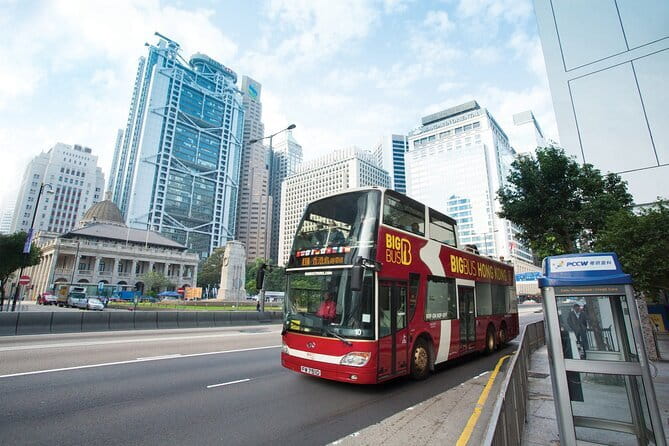
At Sheung Wan Market and Cooked Food Centre, the menu turns toward cha chaan teng staples. You taste silky milk tea and crispy peanut butter French toast, a pairing that reflects Hong Kong’s habit of adapting Western ingredients to local tastes.
The milk tea is a key part of the experience. It represents the city’s colonial-era cafe culture, while the French toast shows how postwar Hong Kong made filling, inexpensive comfort food from familiar outside influences. The result is not a formal British tea service. It is a distinctly Hong Kong version of a cafe snack.
This is also one of the sweeter and heavier parts of the afternoon. Peanut butter, bread and milk tea can fill you quickly, especially with all the later pastries and noodles. Come hungry, but do not eat a large meal immediately beforehand.
A very different day in Hong Kong:
- Hong Kong: Victoria Harbor Symphony Unlimited Drink Cruise
★ 4.3 · 1,873 reviews - Lantau Island Day Trip – Big Buddha & Tai O
★ 4.5 · 1,328 reviews - Hong Kong: Victoria Harbour Evening Cruise with Drinks
★ 4.6 · 1,260 reviews - Hong Kong: City Highlights Guided Tour w/Entry Fees & Lunch
★ 4.4 · 1,178 reviews
Bonham Strand West and the city’s trade story
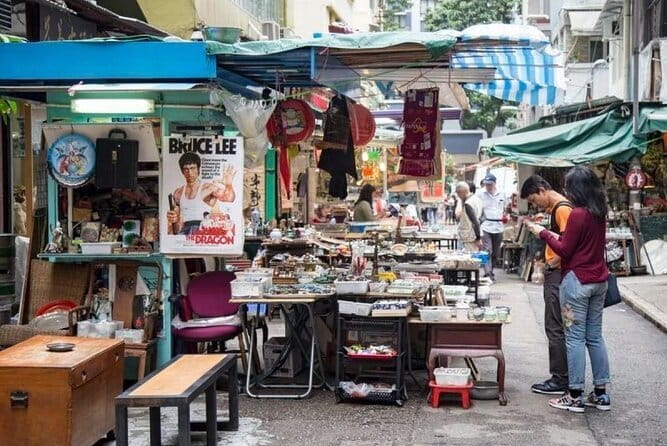
At Bonham Strand West, the guide shifts away from the plate and toward economics. The story here centers on the 1953 Korean War trade embargo on China and the pressure it placed on Hong Kong’s established trading economy.
The tour presents this as a turning point. Merchants had to adapt, and the city gradually moved toward finance and other forms of international business. The explanation ties old trading instincts to later banking activity, giving you a practical way to understand why Hong Kong’s commercial identity changed.
This is one of the better reasons to take the tour early in your stay. You receive a basic framework for reading the streets around you. Old markets, colonial-era roads and modern office districts begin to feel connected rather than randomly placed.
Char siu near Possession Point
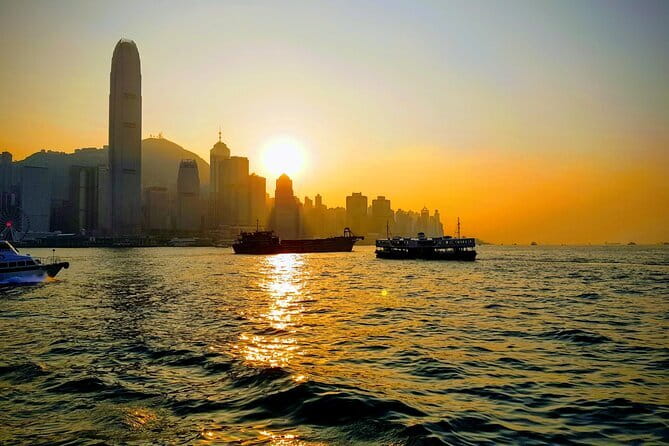
On Hong Kong Queen’s Road West, you watch Cantonese barbecue cooking and taste char siu, the glossy roast pork known for its sweet-savory coating. The stop is linked with Possession Point and the period when British forces claimed Hong Kong in 1842.
The food itself is a highlight for many people because it is direct and easy to understand: tender pork, browned edges and a shiny glaze. The guide also discusses how Cantonese barbecue shops developed their methods and why char siu became such a familiar local dish.
This is another point where dietary limits matter. Pork is not a minor ingredient on this route. It appears in the barbecue stop and forms part of the wider Cantonese food story, so people who do not eat pork should not count on an equivalent replacement.
Possession Street and the Hong Kong egg tart
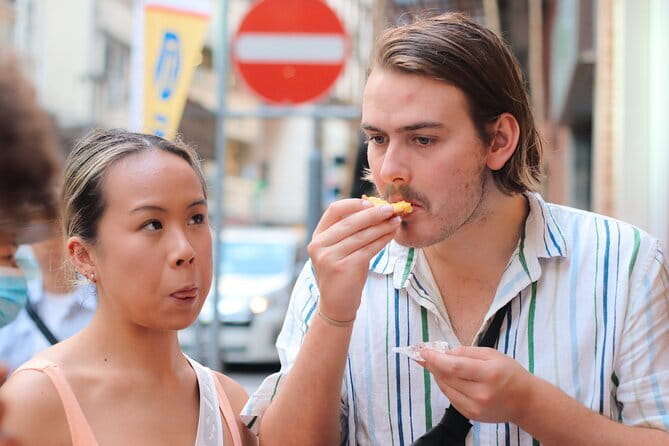
The walk continues to Possession Street for an egg tart. The tour explains the local Cantonese version as a pastry innovation from the 1920s, distinct from Portuguese custard tarts.
It is a small but revealing distinction. Hong Kong food often borrows an idea, changes the texture or method, and makes it local. The egg tart gives you a sweet pause after char siu, although the afternoon contains several more desserts and starches.
If you are especially interested in pastry, this stop is a good comparison point for other egg tarts you may try during your stay. If you prefer savory food, the growing number of sweet samples may feel repetitive.
Herbal tea and traditional Chinese ideas
Another Queen’s Road West stop introduces herbal drinks, including Five Flowers tea. The guide explains these brews through the Traditional Chinese Medicine idea of balance and the belief that certain drinks help clear internal heat or toxins.
You do not need to accept every health claim to appreciate the cultural role of the tea. These drinks are part of everyday food customs, and tasting one helps you understand a side of Hong Kong eating that a standard restaurant meal might skip.
The flavor may be more challenging than milk tea or a pastry. That is part of the point. This is not a sugar break. It is a chance to try a bitter, herbal style of drink and hear how local families think about food, climate and bodily balance.
The tea is included, but water is not specified as part of the tastings. A three-hour walk in Hong Kong can feel warm and humid, so carry your own bottle.
Wonton noodles on Queen’s Road Central
The route eventually reaches wonton noodles, one of the most substantial stops. The dish features shrimp-filled wontons in an amber broth, with noodles that make the tasting feel like a proper meal.
The guide connects wonton noodles with a long dumpling tradition and with refugee cooks who adapted older ideas into a filling Hong Kong bowl. The dish also reflects the city’s practical food culture: quick service, compact portions and strong flavor in a small space.
This is likely to be the most welcome stop after the earlier sweets and drinks. One useful piece of advice is to pace yourself. The tour order does not always follow a classic meal sequence. Dumplings can come before tea, dessert before roast pork, and noodles late in the route.
That irregular order is not necessarily a flaw. It reflects the practical nature of street food, where you eat what is available as you move through a neighborhood. Still, anyone who prefers a carefully arranged tasting menu may find the sequence a little untidy.
A Chinese tea house near Gilman’s Bazaar
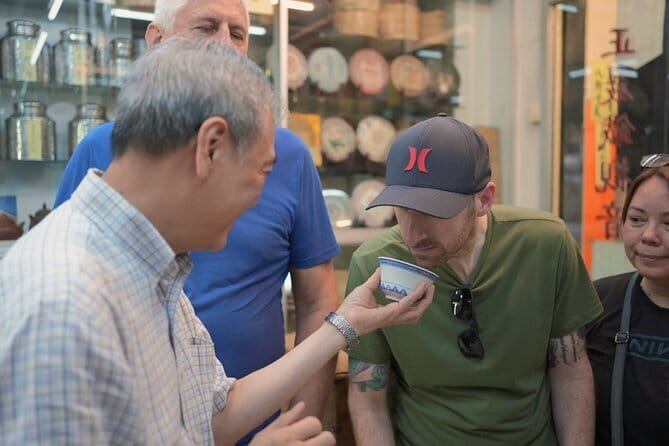
At Gilman’s Bazaar, you visit a Chinese tea house and learn about aged pu-erh. The stop includes a look at tea cakes priced as high as HK$80,000 and an explanation of brewing in unglazed clay pots.
The value here is not simply drinking tea. You learn how multiple infusions reveal changing layers of flavor and why aged cakes can command such high prices. It gives the tour a slower, more attentive moment after the faster food stops.
This can be one of the most memorable cultural pauses because it handles an everyday drink as a craft and a ritual. It also gives you vocabulary and confidence for visiting a tea shop later in Hong Kong.
There is a practical distinction between this tea tasting and the herbal drink earlier in the route. One is connected to Traditional Chinese Medicine and local wellness beliefs. The other focuses on preparation, aging and the social ritual of tea.
Central Market and the final egg waffle
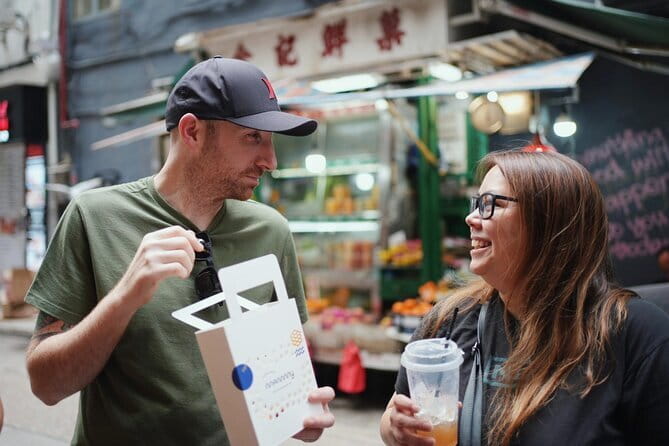
The tour ends at Central Market with Hong Kong’s egg waffle. Its crisp, round lattice shell and soft center make it an easy final treat, though by this point you may already be full.
The guide explains the snack’s 1950s origins and the resourceful cooking behind it. Egg waffles show the city’s talent for turning simple ingredients into something with a distinctive shape and texture.
Ending at Central Market works well geographically. The tour begins in Central and Sheung Wan, then finishes at 93 Queen’s Road Central, between Queen’s Road and Cochrane Street. You are left in a useful area for continuing an afternoon of sightseeing, shopping or further eating.
What the $52.51 price really covers
At $52.51 per person, the price is strong if you treat this as both a meal and a walking tour. You receive tastings across ten stops, a professional local guide, translation help and a three-hour introduction to several neighborhoods.
The value improves if you would otherwise order each item separately while trying to find the right shops. The guide removes much of that guesswork and gives you historical context that you would not get from eating alone.
Do not read the price as an all-you-can-eat promise or a restaurant crawl with seated courses. Some stops are brief, some tastings are small, and several are street-side or market-based. You are paying for access, planning, interpretation and variety as much as for food.
The menu also includes many carbohydrates and sweet items: French toast, egg tarts, wonton noodles and egg waffles. That is normal for a Hong Kong food sampler, but it may not feel balanced to every palate. One practical approach is to enjoy a few bites of each and save room for the savory dishes you most want.
Walking, meeting point and group size
The meeting point is Grand Millennium Plaza Garden at Grand Millennium Plaza on Queen’s Road Central, in Sheung Wan. The tour starts at 3:00 pm and ends at Central Market.
A mobile ticket is provided, and the area is near public transportation. The route involves a moderate amount of walking, with stops lasting about 15 to 20 minutes. It is not a strenuous hike, but you should be comfortable walking city streets and standing at food counters.
The maximum group size is 20 people. That is large enough for a social outing and small enough for a guide to manage, though a full group may make tiny shops and narrow streets feel crowded.
The tour requires favorable weather. If poor weather cancels it, you can choose another date or receive a full refund. For ordinary booking changes, free cancellation applies up to 24 hours before the start time. Changes or cancellations inside that window are not accepted.
Who should book this Hong Kong food tour
I would choose this tour for a first afternoon in Hong Kong, especially if you want food and orientation in one booking. It suits curious eaters who like local markets, short historical stories and dishes they might not confidently order alone.
It is also useful during a long layover. The route takes about three hours, begins near public transport and ends at Central Market, making it a practical way to get into the city and eat before returning to the airport. You still need to allow plenty of extra time for airport procedures and transport.
I would skip it if you are vegetarian, require halal food, or avoid seafood and pork. The tour company specifically says it is not suitable for vegetarians and will not provide halal food. If you have allergies, raise them before booking and again with the guide. One guide helped a participant with tree nut and peanut allergies, but that does not guarantee every stop can be adapted.
Should you book it?
Book this tour if you want a generous sampling of classic Hong Kong food without planning every stop yourself. The strongest reasons are the range, the local guides and the link between dishes and the city’s economic and colonial past.
Skip it if you want a refined meal, a predictable course order or complete control over ingredients. For everyone else, arrive with a light appetite, wear comfortable shoes, carry water and let the guide lead you from dim sum to egg waffle.
FAQ
How long is the Hong Kong Street Food Tour?
The experience lasts approximately three hours.
Where does the tour begin?
It begins at Grand Millennium Plaza Garden, Grand Millennium Plaza, Queen’s Road Central, Sheung Wan, Hong Kong.
Where does the tour end?
The tour ends at Central Market, 93 Queen’s Road Central, Central, between Queen’s Road and Cochrane Street.
What time does the tour start?
The stated start time is 3:00 pm.
What foods are included?
Tastings include har gow, milk tea, peanut butter French toast, char siu, egg tarts, herbal tea, wonton noodles, Chinese tea and egg waffles. The exact serving details can vary.
Is the tour suitable for vegetarians?
No. The tour information says it is not suitable for vegetarians.
Is halal food provided?
No. Halal food will not be provided.
What happens if bad weather cancels the tour?
You will be offered an alternative date or a full refund.
How far in advance can I cancel?
You can cancel at least 24 hours before the start time for a full refund. Cancellations or changes made less than 24 hours before the start time are not accepted.
Recently listed in Hong Kong
- Small-Group Gong Relaxation Experience in Hong Kong★ 5.0 · 5 reviews
- Family-Friendly Tolo Harbour Cycling Adventure★ 4.0 · 5 reviews
- Different Tastes of Hong Kong★ 4.5 · 5 reviews
- Hong Kong Private Departure Transfer: Hotel to Airport★ 4.5 · 5 reviews
- Hong Kong Layover City Tour with 2-way Airport Express Transfer★ 3.0 · 5 reviews
- Ma On Shan Climbing Adventure★ 5.0 · 5 reviews
- Small-Group Tour: Hong Kong Local Markets Hopper [PROMOTION]★ 4.0 · 5 reviews
- Hong Kong Night Tour with a Local: Private & 100% Personalized★ 5.0 · 5 reviews
Hong Kong Tours, compared.

Victoria Harbor Symphony Unlimited Drink Cruise
Read our review →

City Highlights Guided Tour w/Entry Fees & Lunch
Read our review →
Dukling, Antique Boat Tour in Victoria Harbour
Read our review →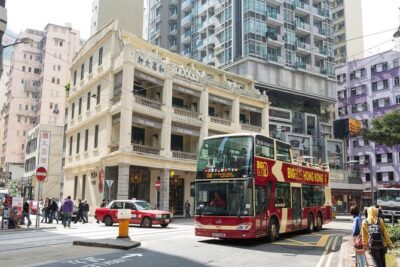
Big Bus Hong Kong Open Top Hop-On Hop-Off Sightseeing Tour
Read our review →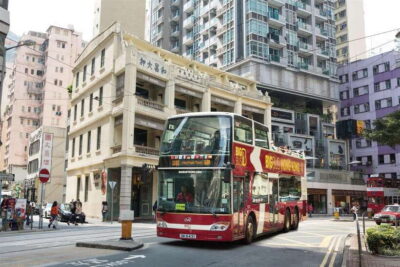
Big Bus Hop-On Hop-Off Tour & Optional Peak Tram
Read our review →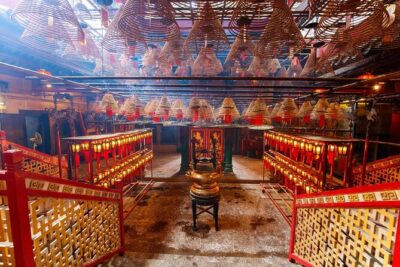
Hong Kong Day Tour: City Landmarks & Highlights
Read our review →Browse the lists this tour appears in