
Reviewed · TIBET TOURS
6 Days Central Tibet Culture Small Group Tour
Lhasa is the heart of this trip, but the real prize is the change of scene as you leave the city. In six days, you move from Potala Palace and Jokhang Temple to high mountain passes, Yamdrok Lake, Gyantse, and Shigatse. The route gives you sacred places and big Himalayan views without asking you to plan Tibet’s permits, hotels, transport, and local guide on your own.
I like the small group of no more than 12 and the fact that airport pickup, twin-share hotels, breakfasts, permits, and a comfortable minibus are built into the price. I also like the human side of the trip: guides such as Lhakdon, Ngawang, Lobsang, Tseyang, and Ladsong are praised for clear English, care with mixed-age groups, and keeping the journey on track.
The main caution is the itinerary’s loose wording. The overview refers to an eight-day journey and Namtso Lake, while the detailed six-day schedule does not include Namtso. Cycling is also listed among the highlights, but no cycling day appears in the schedule. Confirm the exact route before paying.
Key points to know before booking
- Lhasa supplies the cultural core: Potala Palace, Jokhang Temple, Barkhor Street, Drepung, and Sera fill the first three sightseeing days.
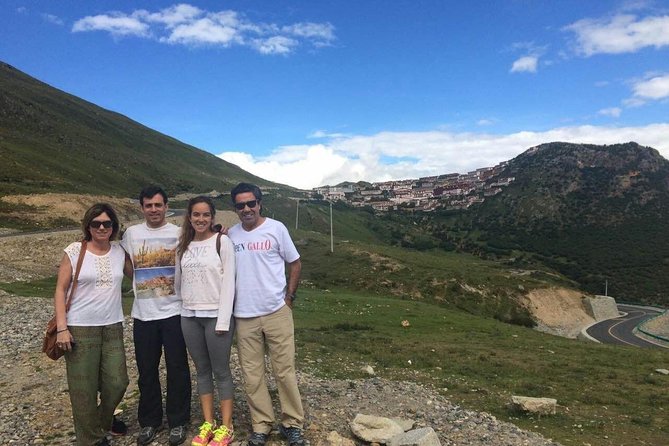
- The road to Shigatse is the scenic payoff: Yamdrok Lake, Gampala Pass, Karo La Glacier, Gyantse, and high-altitude roads create a full day of mountain travel.
- The group is capped at 12 people: That is small enough for more personal help at monasteries and during transfers.
- Permits are handled for you: Tibet travel permits and other required permits are included, but you must send passport and visa copies at least 20 days before departure.
- The $799 price covers a lot: Hotels, five breakfasts, transport, guide, listed admission fees, airport transfers, water, and a welcome dinner are included.
- The altitude needs respect: Lhasa is already high, and the route reaches passes and lakes above 4,400 meters. Day one is set aside for rest and acclimatization.
What six days in central Tibet really gives you
This is a compact introduction to central Tibet, not a slow village stay or a wilderness trek. You spend time in major religious sites, ride between cities by minibus, and sleep in included hotels on a twin-share basis.
The route is especially useful if you want the structure of an organized trip. Tibet travel rules require permits and specific arrangements, and the operator handles those formalities. You still need to provide photocopies of your passport and China visa at least 20 days before departure, so this is not a last-minute booking.
The listed price is $799 per person, based on two people sharing a room. For that amount, you receive transportation with an experienced local driver, an English-speaking Tibetan guide, airport pickup and drop-off, five breakfasts, a welcome dinner, drinking water, a Tibet map, liability insurance, and admission fees for the sites listed in the schedule.
That is good value if you would otherwise need to arrange a private vehicle, hotel rooms, permits, and a guide. The price does not cover your flight or train to Lhasa, lunches, most dinners, tips, or a single-room supplement. Before booking, ask which entrance fees are covered, since the written details are not perfectly consistent.
More six day trips in China:
- 6 Days Lhasa Gyantse Shigatse Group Tour
★ 5.0 · 12 reviews - 6-Day Small Group Beijing Xi’an Tour
★ 5.0 · 9 reviews - 6-Day Private Tour: Guilin Terraces, Fenghuang & Zhangjiajie
★ 5.0 · 7 reviews
Day one in Lhasa: rest is part of the tour
Your first day is deliberately light. You are transferred from the train station or airport to the GangGyan Lhasa Hotel or your reserved hotel, then asked to report that you have checked in.
This may feel like a non-day, but it is the right idea. Lhasa sits at very high altitude, and the schedule gives you time to rest and get used to the air before the main sightseeing begins. Do not treat arrival day as a chance to cram in extra monuments.
A welcome dinner is included when the group meets in Lhasa. It gives you a first chance to meet your guide and fellow group members, learn the next day’s plan, and ask about pace, meals, and altitude concerns.
Airport pickup is included, but it must be arranged by the supplier. Send your arrival details early and make sure the operator confirms where the driver will meet you.
Day two: Potala Palace, Jokhang Temple, and Barkhor Street
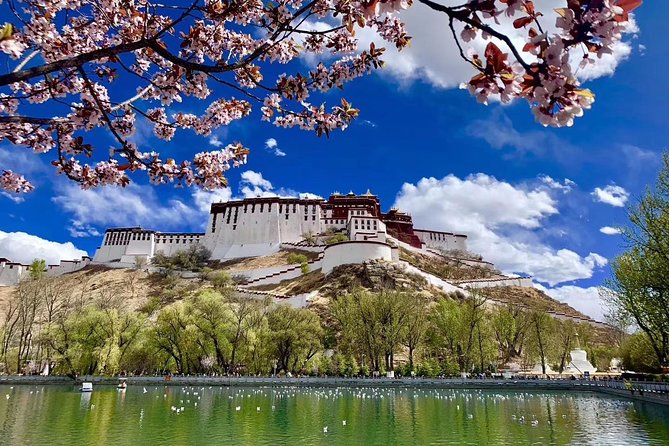
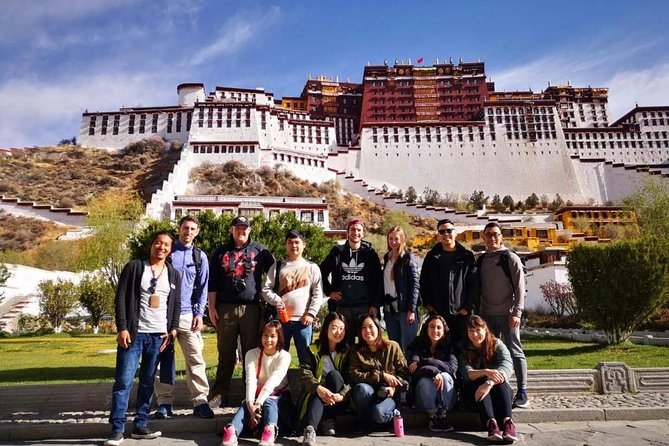
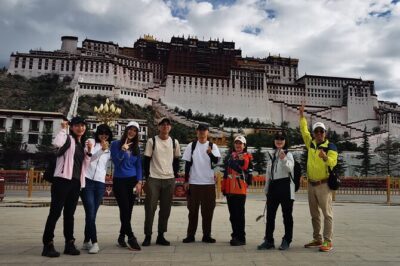
Potala Palace is the grand opening to the sightseeing program. This former winter palace of the Dalai Lama rises above Lhasa and dates in its present importance to the seventh century, during the reign of Tibet’s 33rd great king.
The visit lasts about 90 minutes. You should expect a concentrated look at the palace rather than an unhurried half-day visit. Admission is listed as not included in the individual stop details, while the general inclusions say entrance fees for all listed sites are covered. That contradiction is worth clearing up before departure.
After lunch, you visit Jokhang Temple for another 90-minute stop. The temple is central to Tibetan Buddhist life, and its most important object is a statue of Buddha Sakyamuni shown at age 12. The setting is more intimate than Potala Palace, with religious activity continuing around the building.
Barkhor Street circles Jokhang Temple. The scheduled visit is only about 30 minutes, but this is the place where you can walk with pilgrims and local worshippers during a kora, a clockwise religious circuit. You may also have time to look through the old market and taste Tibetan tea in a local teahouse.
I like this sequence because it moves from imperial scale to living religion. The drawback is timing. Potala Palace, Jokhang, and Barkhor are major sights, and a short schedule can leave you wishing for more unplanned time. Ask your guide how much freedom you will have around Barkhor Street.
Day three: village life, Drepung, and Sera’s monk debates
The third day begins outside central Lhasa with a visit to Dadong Village, described as an old Tibetan village about 25 kilometers southwest of downtown. The stop lasts around four hours and is intended to show a quieter side of the region.
The schedule labels this stop under Drepung Monastery, but the description focuses heavily on Dadong Village. That is another point to clarify. Ask if your departure includes Drepung Monastery itself, Dadong Village, or both.
Sera Monastery comes later in the day, with about two hours on site. It is one of Tibet’s three great Gelug monasteries. The well-known monk debates usually take place around 3 to 5 p.m., when monks challenge one another through questions, gestures, and quick replies.
This is one of the most engaging stops for many people because it gives you something to watch, not just rooms and statues to inspect. The schedule is sensible if the timing lines up, but debate hours can be important. Confirm the exact departure time with your guide so you do not arrive too early or miss the main session.
The strongest part of this day is the contrast between village setting and monastic learning. Guides such as Lhakdon, Tseyang, and Ngawang have been praised for explaining religious places clearly and helping groups that include older members. That matters here, since a good guide can explain what you are seeing without turning the visit into a string of dates and names.
A few more China days to line up
- Tibet Tour 8 Days Lhasa to Everest Base Camp Small Group Tour
★ 5.0 · 578 reviews - 7 Days Lhasa to Kathmandu Overland Small Group Tibet Tour via EBC
★ 5.0 · 188 reviews - 10 Days Tibet Everest Base Camp and Namtso Small Group Tour
★ 5.0 · 108 reviews - 4 Days Lhasa Impression Small Group Tour
★ 4.5 · 67 reviews
Day four: Yamdrok Lake and the road to Shigatse
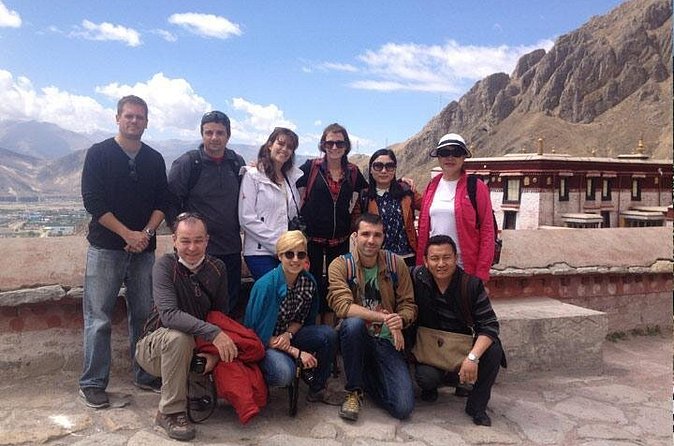
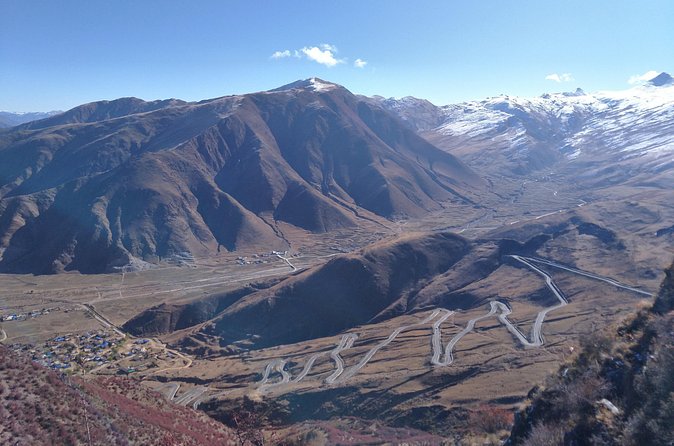
Day four is the big road day. You leave Lhasa for Shigatse, crossing Gampala Pass at roughly 4,790 meters and stopping for views of Yamdrok Yumtso, also called Yamdrok Lake, at about 4,400 meters.
The lake is surrounded by snow-covered mountains, and the scheduled stop lasts about one hour. The view is the point, so weather will affect what you see. Keep your camera ready, but do not let the photo stop distract you from the altitude. Move slowly and tell your guide if you feel unwell.
You then pass Karo La Glacier, visible from the roadside. Another stop is planned at Manak Dam Lake and Simila Mountain Pass, where you can hang prayer flags. These roadside pauses help break up the drive, though the day remains demanding because of distance, elevation, and repeated stops.
The road gives you a strong sense of central Tibet beyond Lhasa. You see high passes, open mountain country, lakes, and communities connected by long road journeys. It is also the part of the tour where a comfortable minibus and capable driver matter most.
The itinerary says you arrive in Gyantse and visit Palkhor Monastery and the Gyantse Kumbum, but the listed duration is only one minute, which is clearly not a useful sightseeing estimate. Treat this as a likely schedule error and request the actual time allowed.
Gyantse was historically Tibet’s third-largest city after Lhasa and Shigatse. Palkhor Monastery and the Kumbum are important stops, and you are also promised a distant view of Gyantse Fortress. The site deserves more than a rushed photo break, so ask how the operator handles this stop on your departure.
Day five: Tashilunpo Monastery in Shigatse
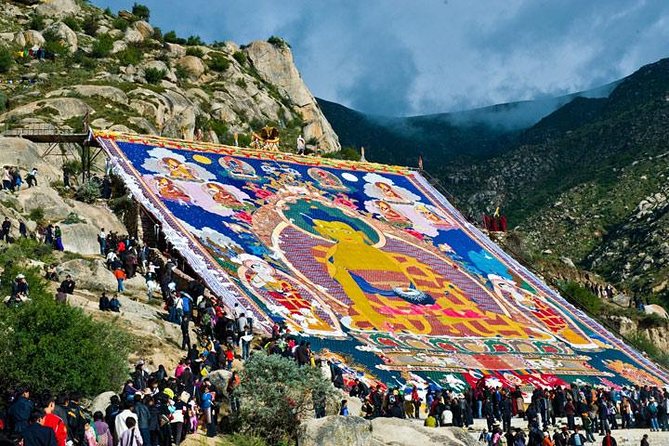
The final full sightseeing day centers on Tashilunpo Monastery, the home of the Panchen Lama in Shigatse. You have about two hours to explore the monastery grounds and religious buildings.
The main feature highlighted here is the large statue of Jampa, the future Buddha. The monastery is also described as a residence of successive Panchen Lamas, giving the visit strong religious and political importance within Tibetan Buddhism.
By this point, the previous days help you read the place better. You have already seen the main temple in Lhasa, a Gelug monastery, village surroundings, high mountain passes, and Gyantse’s religious sites. Tashilunpo then gives you another major monastic center, this time in Tibet’s second city.
The schedule does not list sightseeing after Tashilunpo or explain the evening arrangements. Your hotel, breakfast, transport, and guide are included, but meals beyond the welcome dinner and breakfasts are not. Plan to pay for lunch and dinner yourself.
Day six: departure and a firm permit deadline
Day six is a departure day. The instructions say you must leave Tibet by air or train because the permit is limited to this tour.
If you want to extend your stay, you need a new arrangement rather than simply remaining under this booking. The operator can assist with airport or railway drop-off if you request it, but the included transfer details should be confirmed for your departure.
This strict ending is important when planning onward transport. Do not book a late connection without checking the pickup time and current departure instructions.
Guides, transport, and group size
Your transport is a comfortable van or minibus with an experienced local driver. A maximum of 12 people keeps the group smaller than a large coach tour and should make hotel check-ins, monastery visits, and roadside stops easier to manage.
Your English-speaking Tibetan guide is central to the experience. The guide needs to explain religious customs, manage the permit requirements, keep the group together, and watch for altitude problems. Past guides named in the tour’s guest feedback include Ladsong, Lodsang, Lhakdon, Ngawang, Lobsang, Tseyang, and Tserina.
The repeated praise is specific: punctual service, clear English, care for older members, and help when someone needs extra attention. One guide, Lhakdon, is singled out for looking after the whole group, while Ngawang is noted for handling mixed ages well. These details suggest that the company’s strongest asset is its staff, although your assigned guide will depend on the departure.
Cycling appears among the advertised highlights, along with walking tours, but the six-day schedule contains no cycling activity and no dedicated bike rental or riding time. If cycling is important to you, ask for a written explanation before booking.
Altitude, pace, and who should choose this trip
The route reaches very high places quickly. Lhasa itself requires acclimatization, and the itinerary includes Gampala Pass at 4,790 meters, Yamdrok Lake at about 4,400 meters, and other high mountain stops.
The tour does not describe a medical support program, oxygen policy, or a special altitude plan beyond resting on day one. You should consider your own health and speak with a medical professional if you have concerns. At every stop, walk slowly, drink the provided water, and tell your guide about symptoms rather than trying to push through them.
I would choose this trip if you want a well-organized first visit to central Tibet and prefer local support over independent planning. It suits people who enjoy monasteries, religious sites, mountain drives, and a fixed schedule.
It is less suitable if you want long hikes, flexible photography time, nightlife, or a quiet retreat. The schedule packs a lot into six days, and some stops may feel brief. It also does not give you much room to change the route.
The group size helps, but it does not turn the trip into a private tour. You will share the minibus, hotel arrangements, and sightseeing pace with other people. A single room costs extra and depends on availability.
Permits, visas, and booking timing
Book at least 20 days ahead so the operator has time to obtain the Tibet Permit. You must provide passport and China visa copies at least 20 days before departure, and the permit is delivered to a hotel or address in one Chinese city.
Your entry route changes the visa process. If you fly to Lhasa from Kathmandu, do not apply for a China visa in advance. You need a Tibet Group Visa through the Chinese Embassy in Kathmandu, arranged with help from the travel company and supported by an invitation letter.
If you enter Tibet from another Chinese city by air or train, you need a China visa from the Chinese Embassy in your home country. This is one of the most important planning details, so get the operator’s written instructions before booking flights.
Confirmation is issued within 48 hours, subject to availability. The tour is commonly booked well ahead, with an average booking lead time of 116 days, so early planning is sensible.
Cancellation is relatively flexible if your plans change early: cancel at least six full days before the start for a full refund. A cancellation two to six days ahead receives 50 percent, while cancellation less than two days before departure receives no refund.
Should you book the six-day Tibet tour?
Book it if you want the major cultural sights of Lhasa, a high-altitude road trip to Shigatse, and help with the permits that make Tibet difficult to arrange alone. The $799 package is strong value when you use the included hotels, breakfasts, guide, transport, airport transfers, and admission fees.
Before you commit, ask three direct questions: Is this definitely the six-day itinerary, is Namtso Lake included, and how much time is allowed at Drepung, Dadong Village, and Gyantse? Also confirm the entrance-fee wording and whether cycling is actually part of your departure.
If those details match your expectations, this is a practical way to see central Tibet in a short period. Go for the cultural sites, the mountain road, and the care of a local guide. Do not book it expecting Namtso, cycling, or a leisurely pace unless those features are confirmed in writing.
FAQ
How many people can join the tour?
The group has a maximum of 12 travelers.
What is included in the $799 price?
The price includes Tibet travel permits and other necessary permits, minibus or van transport with an experienced driver, an English-speaking Tibetan guide, airport pickup and drop-off, twin-share hotel rooms, five breakfasts, a welcome dinner, drinking water, a Tibet map, liability travel insurance, and entrance fees for the listed tourist sites according to the general inclusions.
Are flights or trains to Lhasa included?
No. Your flight or train ticket to Lhasa is not included, though the operator may help arrange it.
How early do I need to book?
You should book at least 20 days before departure so the operator can obtain the Tibet Permit. Passport and China visa copies must also be provided at least 20 days before the travel date.
Can I enter Tibet from Kathmandu?
Yes, but the visa process is different. If you fly from Kathmandu, you should not apply for a China visa in advance. You need a Tibet Group Visa through the Chinese Embassy in Kathmandu, arranged with the travel agency, and you need an invitation letter from the supplier.
Is Namtso Lake included in this six-day tour?
The overview refers to Namtso Lake and an eight-day tour, but the detailed six-day itinerary does not list a Namtso visit. Ask the operator to confirm the exact route before booking.
Recently listed in China
- Nanjing By Night: Qinghuai River Cruise with Authentic Dining Experience★ 5.0 · 5 reviews
- 1 day Car Hire in Shenzhen with Driver (10 hours)★ 3.0 · 5 reviews
- Beijing Mutianyu Great Wall Private Tour with Lunch★ 5.0 · 5 reviews
- Flexible Hangzhou Private Day Tour with Lunch★ 5.0 · 5 reviews
- Customized Private Beijing Layover City Tour★ 5.0 · 5 reviews
- Private Tour of Shanghai Highlights and Zhujiajiao Water Town in One Day★ 5.0 · 5 reviews
- 4-Hour Suzhou Private Flexible Tour with Garden and Boat Ride Option★ 5.0 · 5 reviews
- Private Tour to Gubei Water Town and Simatai Great Wall with Cable Car and Lunch★ 5.0 · 5 reviews
Tibet Tours, compared.
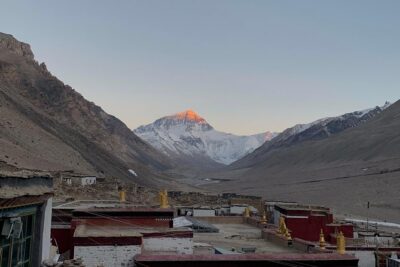
Tibet Tour 8 Days Lhasa to Everest Base Camp Small Group Tour
Read our review →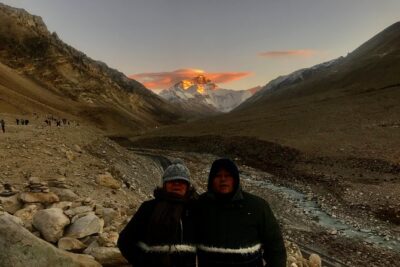
7 Days Lhasa to Kathmandu Overland Small Group Tibet Tour via EBC
Read our review →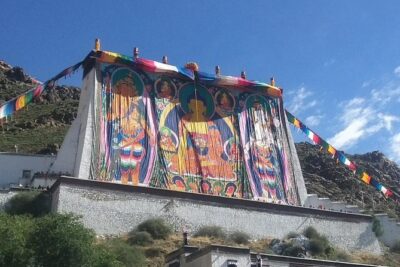
10 Days Tibet Everest Base Camp and Namtso Small Group Tour
Read our review →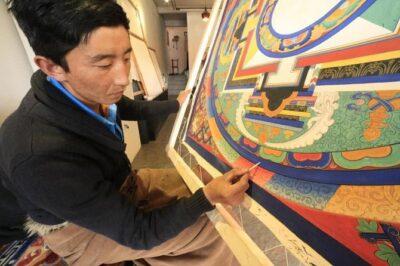
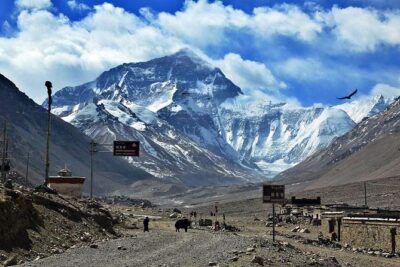
8 Days Lhasa Gyantse Shigatse Mt Everest Group Tour
Read our review →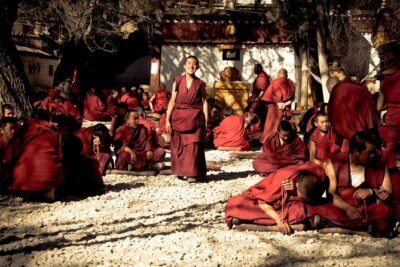
Private Guided Day Tour Potala Palace and Sera Monastery
Read our review →
9 Days Lhasa Gyantse Shigatse Everest Namtso Group Tour
Read our review →Browse the lists this tour appears in