
Reviewed · TIBET TOURS
4 Days Lhasa Impression Small Group Tour
Lhasa gives you a lot in a short time, and this four-day small-group tour focuses on the city’s essential spiritual and historic sights. You’ll visit Potala Palace, Jokhang Temple, Barkhor Street, Drepung Monastery and Sera Monastery, with an English-speaking Tibetan guide and transport between stops.
I like the small group limit of 12, which should make questions and group movement easier, and I like that airport or train-station pickup, hotel transfers, breakfasts and required Tibet permits are bundled in. The main catch is the pace: with only two full sightseeing days, this is a first taste of Lhasa, not a slow study of Tibet.
Key points to know before booking
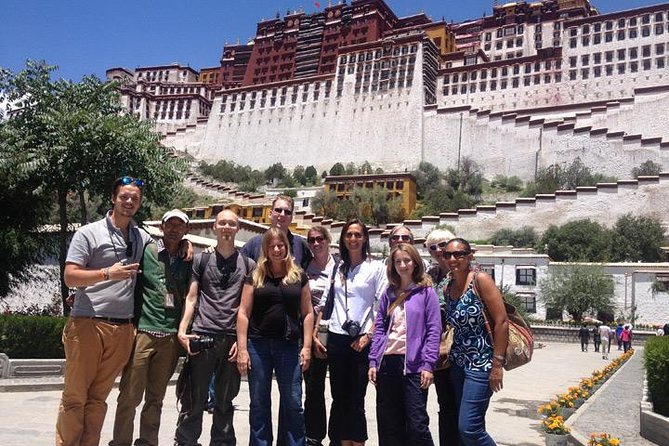
- Potala Palace and Jokhang Temple come first: You tackle Lhasa’s two major sights on the main sightseeing day.
- Sera’s monk debates are timed for the afternoon: The visit is planned around the lively debate period, usually about 3 to 5 pm.
- Dadong Village adds a rural stop: Day three includes a visit to an old Tibetan village about 25 kilometers southwest of central Lhasa.
- The group is capped at 12 people: You get a more personal setup than on a large coach tour.
- Transfers and permits are part of the package: Airport or train pickup, local transport and Tibet travel paperwork are included.
- The $509 price is based on sharing: It covers three nights in twin-share 3-star lodging, breakfasts, guide services and listed transport, but not your journey to Lhasa, lunches, dinners or tips.
Arriving in Lhasa by train or plane
Your first day is mostly about getting settled. A Tibetan guide meets you at the airport or train station, then takes you to a hotel in downtown Lhasa. The route may include views of the Yarlung Tsangpo River and the broad setting around Lhasa, giving you a first look at the high-altitude region before sightseeing begins.
That arrival transfer matters. Lhasa is not a place where you want to land, collect your bags and immediately start racing between monuments. The tour gives you the remainder of day one to reach the hotel and adjust before the main visits begin.
A welcome dinner is also included when the group meets in Lhasa. Lunches and later dinners are not included, so budget for those separately. The dinner is a useful social start, especially if you are joining alone and want to know who will be in your van for the next two days.
The timing of your arrival can affect how much free time you have on day one. The published schedule starts at 9 am, but pickup depends on your arrival details. Share your flight or train information with the operator well in advance so the transfer can be arranged correctly.
More four day trips in China:
- 4-Day Zhangjiajie Tour to All Highlight Attractions with VIP Lift
★ 5.0 · 74 reviews - 4 Days Lhasa City Essential Group Tour
★ 5.0 · 25 reviews - 4 Days Guilin Essence and Yangshuo Countryside Tour
★ 5.0 · 18 reviews
Potala Palace: Lhasa’s great first sight
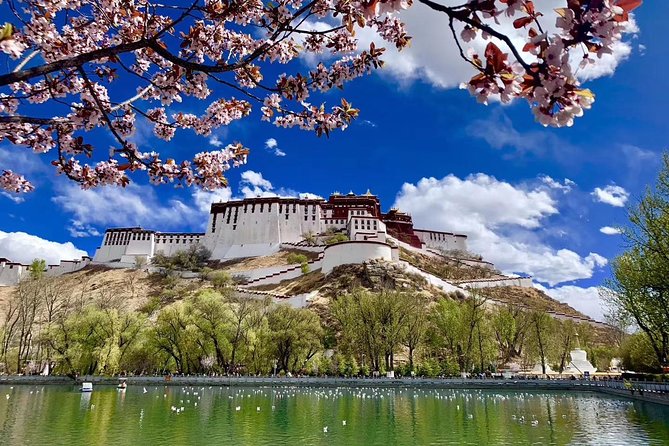
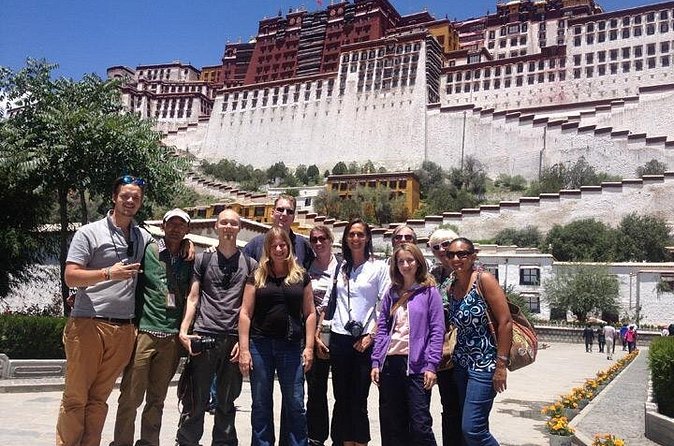
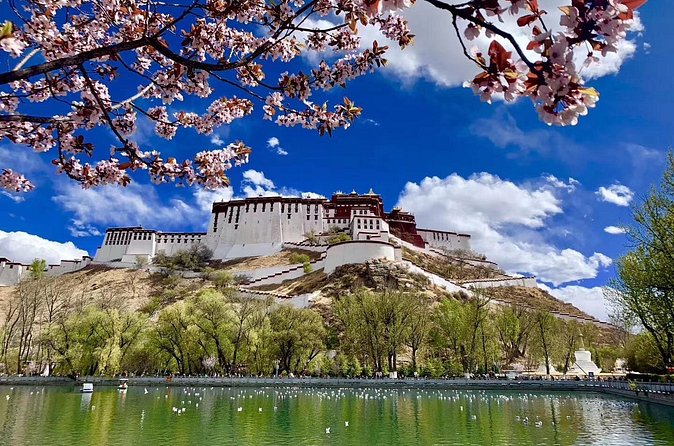
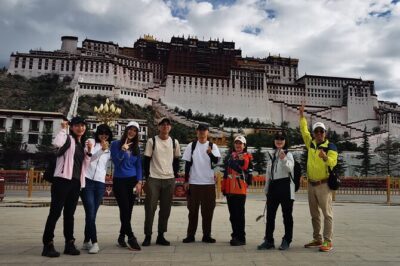
Day two begins at Potala Palace, the former winter palace of the Dalai Lama. The site dates back to the seventh century, when it was first associated with Tibet’s 33rd great king. Its scale and position make it the natural opening act for a short introduction to Lhasa.
You have about 1 hour and 30 minutes here. That is enough to see important halls and collections with a guide, but it is not enough for an unhurried examination of every room. Expect stairs, crowds at busy times and a visit shaped by the palace’s entry controls.
The palace is not simply a grand building to photograph from outside. Your guide can explain how it functioned as a religious and political center, and the tour’s cultural value depends heavily on that explanation. Guides named in past bookings include Pasang, Tsedon, Tseyang, Lobsang, Lukpa and Lopsong, though the specific guide for your departure is not guaranteed.
One practical point needs checking before you pay. The package information says entrance tickets for the listed sites are included, while the individual stop descriptions mark the Potala Palace, Jokhang Temple, Drepung Monastery and Sera Monastery admission as not included. Ask the operator to confirm exactly which entrance fees are covered, and if any must be paid locally.
Jokhang Temple and the Barkhor kora
After lunch, the tour continues to Jokhang Temple for about 1 hour and 30 minutes. The temple was founded in the seventh century and is associated with a revered statue of Buddha Sakyamuni shown at age twelve, one of the central religious treasures connected with Lhasa.
This is a more intimate religious setting than Potala Palace. You may see people praying, making offerings and moving through the temple with clear purpose. Your guide helps explain what you are seeing, but you should also give the place quiet attention rather than treating every room as a photo stop.
Outside, Barkhor Street circles the temple. The planned visit lasts about 30 minutes, with time to walk part of the kora, the religious circuit around a sacred site, and look through the old market area. This is one of the best parts of the schedule because it connects the monument to daily religious life.
The tour also allows time to taste Tibetan tea with local people in a tea shop. That small stop can tell you more about ordinary Lhasa than another polished viewpoint. It is also a reminder that Barkhor is an active place of worship, so walk respectfully and follow your guide’s instructions about photography.
The drawback is the compressed timing. One hour and 30 minutes inside Jokhang, followed by 30 minutes around Barkhor, gives you an introduction but little room to wander. If you want long market browsing, repeated kora circuits or extended time inside the temple, you will need to arrange extra time outside the tour.
Dadong Village and Drepung Monastery on day three
The third day moves beyond central Lhasa. The schedule describes a morning visit to Dadong Village, about 25 kilometers southwest of downtown, as well as a visit to Drepung Monastery. The wording of the itinerary combines these stops under the Drepung section, so confirm the exact order and amount of time allocated to each before departure.
Dadong is described as a well-protected old Tibetan village surrounded by mountain scenery. Its value is different from that of the palace and temples. Instead of focusing only on major religious sites, you get a look at a traditional village setting outside the city center.
The Drepung portion is scheduled for about four hours. That is the longest stop on the tour, and it gives your guide room to explain the monastery’s religious role and buildings without the same rush found on day two. It also makes day three feel less like a checklist.
You should expect a full morning and early afternoon, with transport included in the comfortable van or minibus. Gasoline is covered, and an experienced local driver handles the roads. Lunch is not included, so plan to pay for food during the day unless the operator gives you a specific arrangement.
The change of setting is important. After the grand urban landmarks of central Lhasa, Dadong and Drepung offer a quieter sense of the area around the city. Still, the published schedule is not perfectly clear about how the village and monastery fit together. Get a written day-three outline if those details matter to you.
A few more China days to line up
- Tibet Tour 8 Days Lhasa to Everest Base Camp Small Group Tour
★ 5.0 · 578 reviews - 7 Days Lhasa to Kathmandu Overland Small Group Tibet Tour via EBC
★ 5.0 · 188 reviews - 10 Days Tibet Everest Base Camp and Namtso Small Group Tour
★ 5.0 · 108 reviews - 6 Days Central Tibet Culture Small Group Tour
★ 5.0 · 53 reviews
Sera Monastery and the afternoon debates
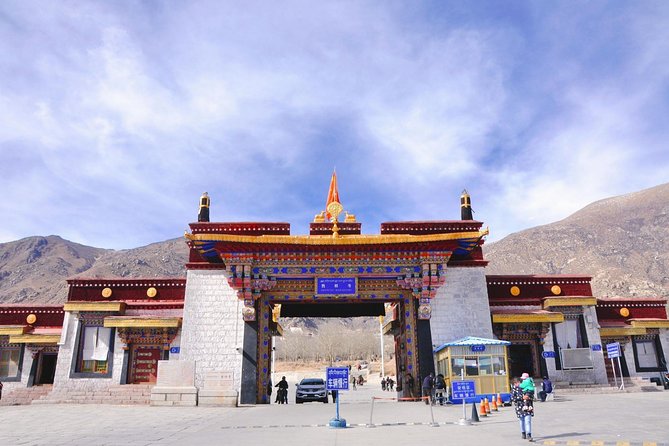
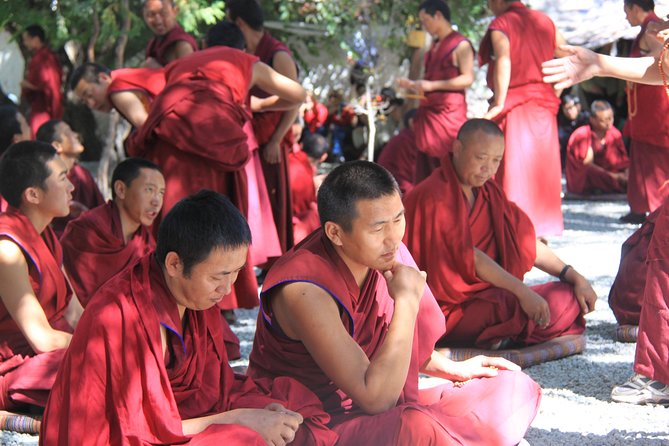
Sera Monastery comes later in the day, with roughly two hours scheduled. It is one of Tibet’s three great Gelug monasteries, and the main draw here is the monks’ debate, usually held from about 3 to 5 pm.
The debate is a lively public display of Buddhist reasoning. Monks question one another with sharp gestures and animated movement, making this more active than a standard guided visit through a quiet hall. Timing is the key reason this tour places Sera in the afternoon.
You should not assume the debate fills your entire two-hour stop. The schedule identifies the period as the attraction, but exact proceedings can vary. Your guide can explain the format and help you understand what is happening, which is particularly useful if you have never seen this practice before.
Sera also balances the more solemn atmosphere of Jokhang Temple. You see Buddhist learning as an active practice, not only as architecture, art or ritual. For many people, this becomes the most memorable part of the second sightseeing day.
What the $509 price really covers
At $509 per person, the tour is priced as a package rather than a bare sightseeing outing. The cost includes three nights of 3-star accommodation, twin-share rooms, three breakfasts, an English-speaking Tibetan guide, local transport, airport or train-station transfers, drinking water, tourist accident insurance and the required Tibet travel permits.
That is a useful bundle. Tibet permits and transport arrangements can be complicated, so having the operator handle them removes work that is difficult to manage independently. The price also includes a welcome dinner and the platform service fee.
The price does not include your flight or train ticket to Lhasa. You also pay for lunches, most dinners and tips for the guide and driver. A solo visitor should ask about the single-room supplement, since the advertised rate is based on double occupancy.
The entrance-fee wording deserves special attention. The inclusion list says all tourist-site entrance tickets are covered, yet the day-by-day entries show admission as not included. That conflict is more important than a minor wording issue because Potala Palace and the monasteries can change the final cost. Have the operator confirm the policy in writing.
For the right person, the value is strong. You are paying for a compact introduction, not just a hotel and a vehicle. If you want to arrange every permit, transfer and guide yourself, a lower headline price might be possible, but the extra planning would be your responsibility.
Small-group transport and guide quality
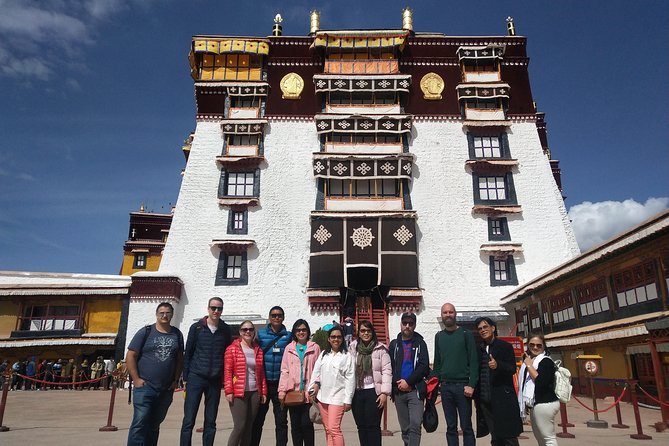
The van or minibus carries a maximum of 12 people. That is small enough for a more relaxed conversation than you would get on a full-size coach, though it is still a group tour. You will follow a fixed schedule and may need to wait for others at temple entrances, meal stops or the hotel.
The strongest part of the experience is likely to be the guide. Past bookings specifically praise guides such as Pasang, Tsedon and Lobsang for clear explanations, strong English, care with group members and quick handling of problems. Lukpa and Lopsong are also named as professional, friendly guides.
Those names are useful when you speak with the operator, but they are not a promise that one of them will lead your departure. Ask who is assigned if guide experience is central to your decision. A Tibetan guide can provide cultural context that you would miss by simply hiring a vehicle and visiting the sites alone.
Pickup and drop-off are offered at the airport or train station, and the activity ends back at the meeting point. The schedule begins at 9 am, but arrival-day transport is tied to your booking details. Keep your confirmation contact information handy, since that is how you send the passport and visa documents required for the permit process.
Permits, visas and the short booking window
You need to book at least 20 days ahead so the operator can obtain the Tibet Permit and other required paperwork. The operator asks for a passport copy and China visa details at least 20 days before the trip, and confirmation is issued within 48 hours subject to availability.
The visa process depends on your route into Tibet. If you travel from a city in China, you need a China L Visa arranged through a Chinese embassy in your country. If you fly from Kathmandu, the instructions say not to apply for a China L Visa in advance, because you need a Tibet Group Visa through the China Embassy in Kathmandu with help from a travel agency.
The permit is delivered to a delivery or hotel address in one Chinese city. This makes advance planning essential, particularly if you are changing hotels before reaching Lhasa. Contact the operator early rather than waiting until your international flights are fixed.
The tour’s permit is limited to this trip, and day four requires you to leave Tibet by air or train. If you want to remain in Tibet longer, you need another tour arrangement and fresh permit planning. This is not a flexible open-ended package.
Who should choose this Lhasa tour?
I would choose this tour if you have only a few days, want the major Lhasa sights covered, and prefer to have permits, local transport and airport logistics handled for you. It suits first-time visitors who want cultural explanation instead of simply ticking off buildings.
It also suits solo visitors who like the safety and social ease of a small group. The welcome dinner, shared sightseeing and capped group size make it easier to meet people without committing to a large coach tour.
I would be more cautious if you want a slow photographic trip, long market visits or several unstructured hours at each monastery. The schedule is efficient, and the two central Lhasa days carry a lot of content.
Altitude and the physical demands of the sites should also be part of your planning. The supplied information does not give a medical or acclimatization program, so you should make your own arrangements and avoid assuming that every stop will feel easy. Ask the operator about current conditions and the amount of walking and stairs expected.
Cancellation is fairly workable if your plans change early: cancel at least six full days before the local start time for a full refund. Cancellation two to six days ahead receives a 50 percent refund, while cancellation under two days is nonrefundable.
Should you book the 4 Days Lhasa Impression Tour?
Book it if you want a well-organized first look at Lhasa and value a local Tibetan guide, included transfers and help with permits. Potala Palace, Jokhang Temple, Barkhor Street, Dadong, Drepung and Sera give you a solid range of palace, temple, market, village and monastic experiences in four days.
Before booking, get two points confirmed: the exact entrance-ticket coverage and the final day-three plan for Dadong Village and Drepung Monastery. Also check the guide assignment, room-sharing arrangement and transport schedule against your arrival and departure times.
At $509, it is a sensible package for a short, supported visit, especially if you are arriving by train or plane and do not want to manage Tibet paperwork alone. If you have more time, I would prefer a longer itinerary with extra days for acclimatization and free exploration. For a tightly planned introduction, this tour earns consideration.
FAQ
How long does the tour last?
The experience lasts approximately four days and includes three nights in Lhasa.
What sights are included in the itinerary?
The schedule includes Potala Palace, Jokhang Temple, Barkhor Street, Dadong Village, Drepung Monastery and Sera Monastery.
Is airport or train-station pickup available?
Yes. A Tibetan guide meets you at the airport or train station, and transfers to and from Lhasa are included.
How many people can join the group?
The group has a maximum of 12 participants.
Is accommodation included?
Yes. The package includes three nights in a 3-star hotel with breakfast, based on twin sharing.
Are meals included?
Three breakfasts and a welcome dinner are included. Lunches and other dinners are not included.
Are entrance tickets included?
The package information says entrance tickets for the listed tourist sites are included, but the individual sightseeing descriptions mark admission as not included. Confirm this point with the operator before booking.
What documents are needed for the Tibet Permit?
You need a valid passport and the China visa used to apply for the Tibet Permit. Passport and visa copies must be supplied at least 20 days before travel.
Can I cancel the booking?
You can receive a full refund if you cancel at least six full days before the local start time. A cancellation two to six days before departure receives a 50 percent refund, and cancellations under two days are nonrefundable.
Recently listed in China
- Nanjing By Night: Qinghuai River Cruise with Authentic Dining Experience★ 5.0 · 5 reviews
- 1 day Car Hire in Shenzhen with Driver (10 hours)★ 3.0 · 5 reviews
- Beijing Mutianyu Great Wall Private Tour with Lunch★ 5.0 · 5 reviews
- Flexible Hangzhou Private Day Tour with Lunch★ 5.0 · 5 reviews
- Customized Private Beijing Layover City Tour★ 5.0 · 5 reviews
- Private Tour of Shanghai Highlights and Zhujiajiao Water Town in One Day★ 5.0 · 5 reviews
- 4-Hour Suzhou Private Flexible Tour with Garden and Boat Ride Option★ 5.0 · 5 reviews
- Private Tour to Gubei Water Town and Simatai Great Wall with Cable Car and Lunch★ 5.0 · 5 reviews
Tibet Tours, compared.
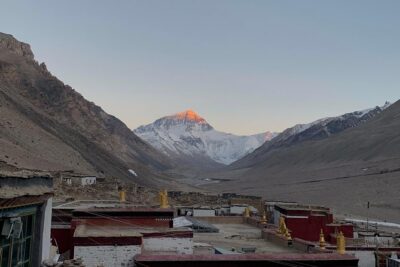
Tibet Tour 8 Days Lhasa to Everest Base Camp Small Group Tour
Read our review →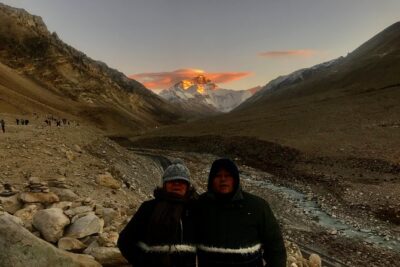
7 Days Lhasa to Kathmandu Overland Small Group Tibet Tour via EBC
Read our review →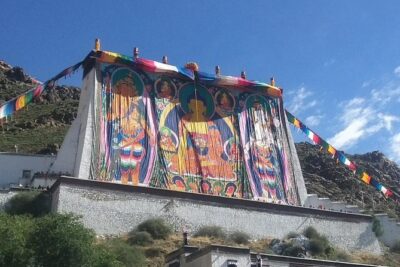
10 Days Tibet Everest Base Camp and Namtso Small Group Tour
Read our review →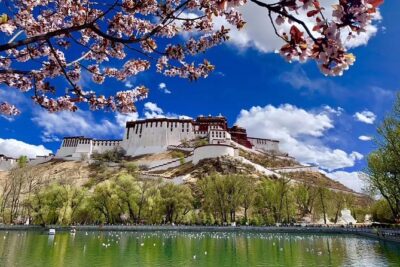
8 Days Lhasa Gyantse Shigatse Mt Everest Group Tour
Read our review →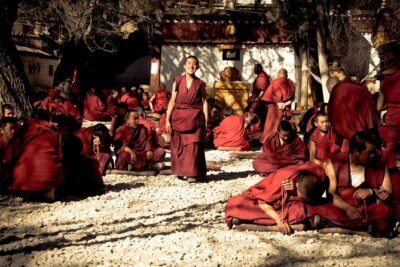
Private Guided Day Tour Potala Palace and Sera Monastery
Read our review →
9 Days Lhasa Gyantse Shigatse Everest Namtso Group Tour
Read our review →Browse the lists this tour appears in