
Reviewed · HONG KONG TOURS
Hong Kong: Dark Side of Hong Kong Caged Homes Walking Tour
Hong Kong’s glittering skyline hides a housing crisis that becomes painfully clear inside a 100-square-foot subdivided flat. This two-hour walk from Prince Edward to Sham Shui Po explains how land policy, population growth, and soaring property prices squeeze ordinary people into spaces where cooking, sleeping, washing, and living happen in one room.
I like two things especially: the tour connects housing conditions to the larger economic system, and it uses a vacant sample flat rather than intruding into someone’s private home. Guides such as Stephen, Summer, Alice, Michael, and Wind bring local stories and, in some cases, personal experience to the discussion.
The main consideration is emotional. You will walk through poor neighborhoods and see caged homes and rooftop dwellings. This is not a cheerful sightseeing stroll, and the busy streets, stairs, and older buildings call for comfortable shoes and steady mobility.
Key points to know before you book
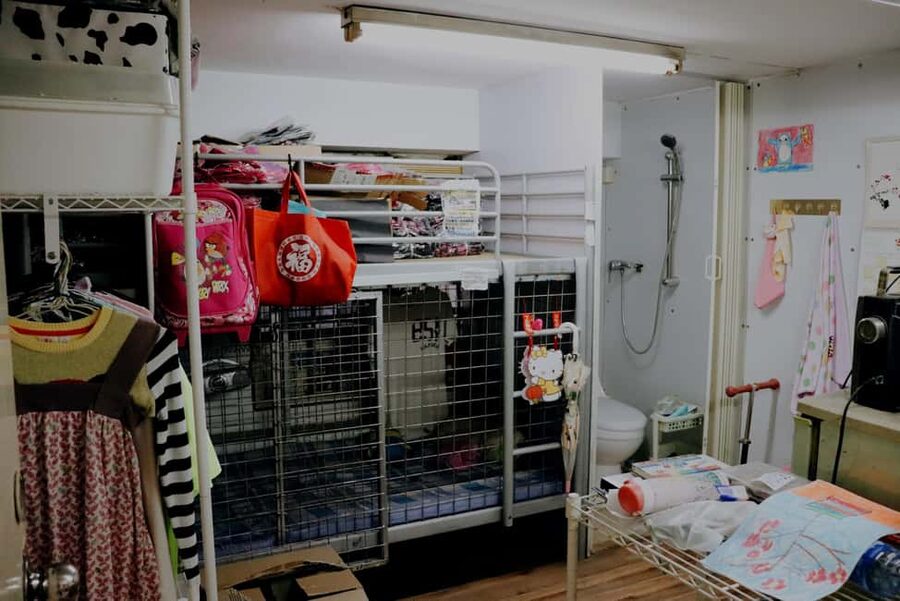
- A vacant 100-square-foot flat makes the housing crisis physical: You see how a family’s kitchen, bed, toilet, and living room can occupy one tiny space.
- A local real estate agent explains the numbers: The tour links Hong Kong’s high rents to land scarcity, population growth, and government policy.
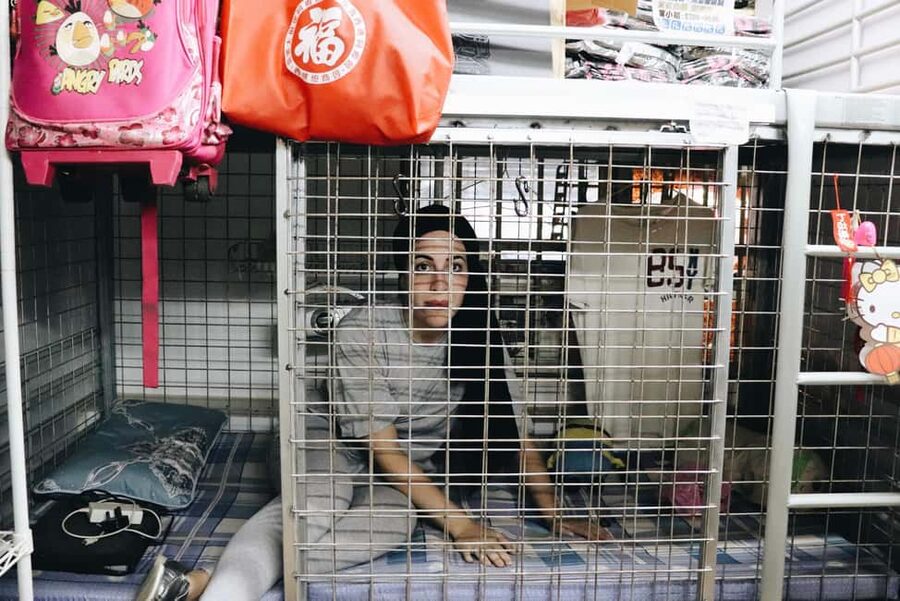
- Caged homes are part of a wider housing story: Metal enclosures can serve as full-time homes for single residents earning minimum wage.
- The walk crosses Mong Kok and Sham Shui Po: You move from busy commercial streets to one of Hong Kong’s poorest districts.
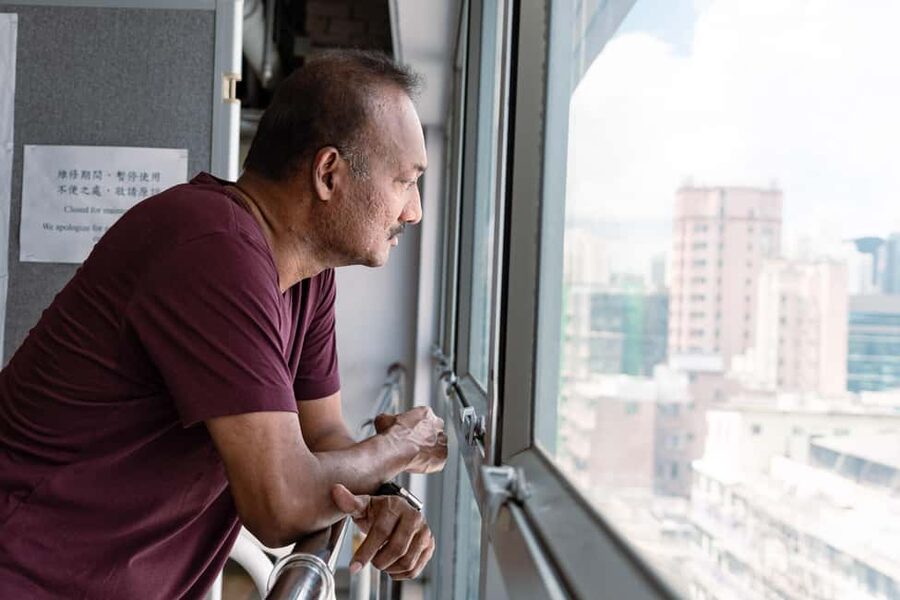
- A rooftop slum reveals what the skyline hides: Looking upward becomes part of the lesson.
- SoCo gives the tour a practical ending: The charity has spent more than 50 years supporting marginalized communities and pressing for change.
Why this Hong Kong housing tour matters
Hong Kong is easy to admire from a harbor promenade or a high-rise observation deck. It is harder, and more useful, to understand how ordinary people manage to live in one of the world’s least affordable cities.
This tour shifts your attention from towers to floor plans. You learn how a typical 500-square-foot apartment can be split into five separate units. That single example tells you more about pressure on the housing market than a stack of glossy property brochures.
The guide explains the forces behind the shortage rather than treating poverty as a curiosity. Population growth, limited land, capitalism, and housing policy all enter the conversation. You also hear about the paradox at the heart of the market: Hong Kong can generate enormous wealth while many residents struggle to secure a safe, private place to sleep.
That context is the tour’s real value. Without it, a caged home might look like an isolated oddity. With it, you begin to see how a chain of decisions and pressures can shrink a home to the size of a metal enclosure.
The subject is difficult, but the best guides keep it human. Stephen has been praised for explaining the economy and housing system clearly. Summer brings passion to the problems facing people on low incomes. Alice is known for using financial and statistical information in an objective way, while Michael connects the subject to the daily lives of local residents.
Your guide may be someone else, but the experience depends heavily on who leads it. The strongest guides set expectations before the walk, invite questions, and keep the focus on dignity rather than shock.
More Walking Tours in Hong Kong
- Dark Side of Hong Kong – Kowloon Caged Homes Walking Tour
★ 5.0 · 418 reviews - Hong Kong Day Tour: Priority Peak Tram, City Walk & Dim Sum
★ 4.5 · 266 reviews - Introduction to Hong Kong: Central Tip Based Walking Tour
★ 5.0 · 202 reviews
Starting inside Prince Edward MTR Station
The meeting point is Prince Edward MTR Station Exit D, inside the station. That last detail matters. Do not leave the station and wait on the street, since the group begins indoors near the exit.
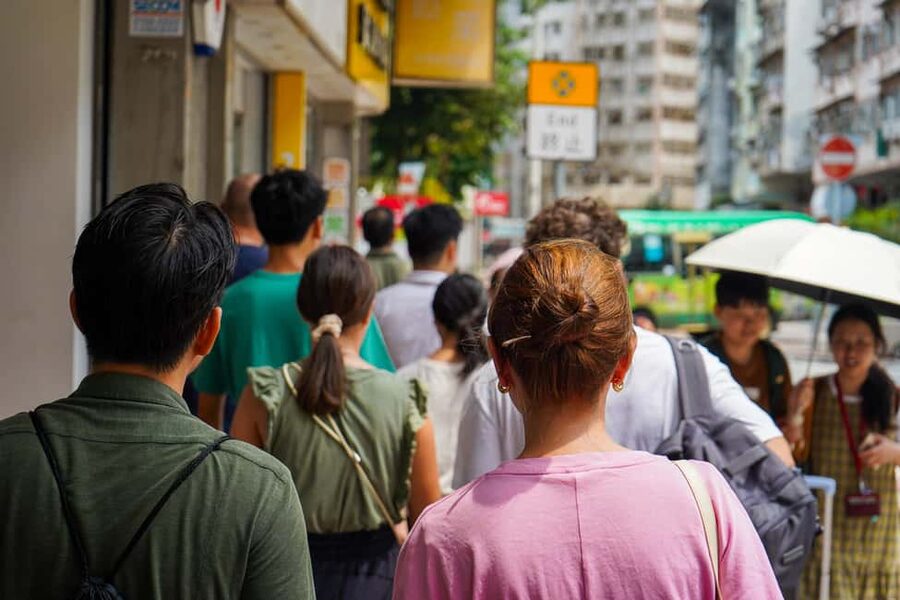
From there, the walk heads through the Prince Edward and Mong Kok area. The route is part of the lesson. You are not whisked to a museum and shown a neatly packaged version of the problem. You move through the same dense urban setting where shops, homes, offices, and transport lines compete for limited space.
The first stop is described as a secret stop and lasts about 10 minutes. The details can vary by guide and day, but this early pause begins to show the less polished side of the district. It gives the guide a chance to establish the tone and explain what you are about to see.
Expect a busy city walk, not a quiet architectural tour. Hong Kong’s streets can be crowded, and older buildings may require stairs. Stay close to the guide and wear shoes suited to two hours on pavement.
Mong Kok and the mathematics of tiny homes
Mong Kok is one of Hong Kong’s best places to understand density. Commercial energy fills the streets, yet people live in extremely tight quarters above and behind the shops.
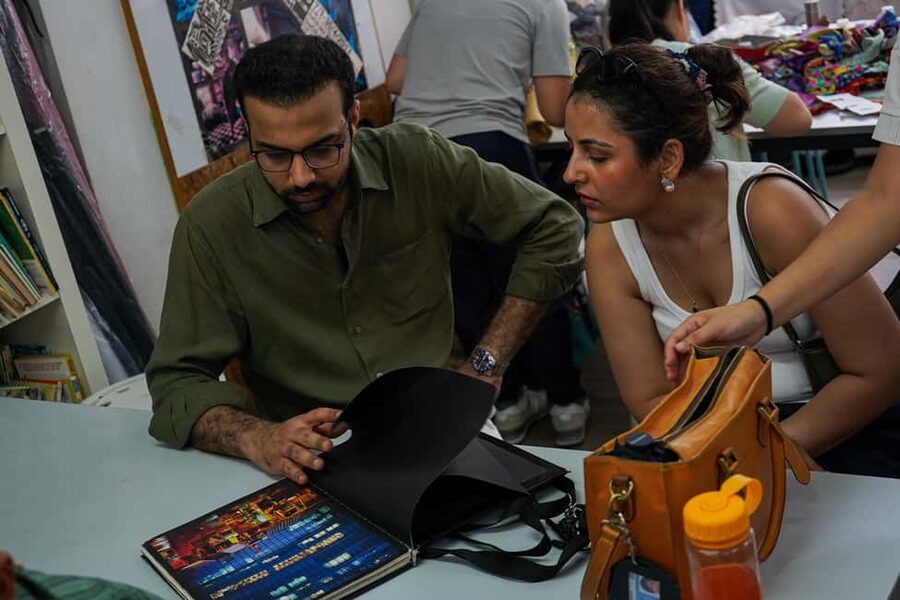
Here, a local real estate agent explains why Hong Kong ranks as the world’s least affordable city. The discussion turns abstract prices into a physical question: if an apartment has only 500 square feet, how many people can it house once the owner or landlord divides it into separate units?
The answer can be five tiny homes. Each may include its own sleeping area and basic facilities, but the amount of usable space becomes painfully small. This is where the guide connects property prices to everyday choices. A resident may not be choosing a tiny flat because it is desirable. The choice may be between a cramped room and no independent home at all.
The walk also touches on the contrast between luxury apartments and subdivided flats. In Hong Kong, these conditions can exist close together. A new tower may rise beside an older tenement building, with sharply different levels of comfort hidden behind separate entrances and windows.
I find this part especially helpful because it explains the paradox without reducing it to a simple rich-versus-poor story. The city’s property market is shaped by scarce land and intense demand, but policy choices determine how that pressure is managed. The guide’s personal account, when included, adds another layer by showing how someone can understand the market from both the professional and human sides.
Entering a 100-square-foot subdivided flat
The most powerful indoor stop is a vacant subdivided unit measuring about 100 square feet, or roughly 10 square meters. It is arranged to show how one family might cook, sleep, use the toilet, and spend free time in the same confined area.
You do not enter an occupied home. The space has been rented and maintained for educational visits, so the tour can explain the conditions without invading a resident’s privacy. That is an important ethical distinction, especially on a tour about poverty.
Inside, size becomes more meaningful than any statistic. A room that sounds small on paper feels different when you imagine placing a bed, cooking area, toilet, storage, and everyday belongings inside it. There is little room for separation between work, rest, hygiene, and family life.
The unit functions almost like a small museum of housing conditions, but it should not be mistaken for a full portrait of every low-income household. Conditions vary, and one sample cannot represent all subdivided flats. Still, it gives you a concrete reference point for the wider discussion.
The visit also makes clear why photos alone are limited. Pictures show walls and furniture. Standing in the space helps you understand the lack of room to move, store possessions, or create privacy.
A very different day in Hong Kong:
- Hong Kong: Victoria Harbor Symphony Unlimited Drink Cruise
★ 4.3 · 1,873 reviews - Lantau Island Day Trip – Big Buddha & Tai O
★ 4.5 · 1,328 reviews - Hong Kong: Victoria Harbour Evening Cruise with Drinks
★ 4.6 · 1,260 reviews - Hong Kong: City Highlights Guided Tour w/Entry Fees & Lunch
★ 4.4 · 1,178 reviews
The caged-home stop and the human cost
The term caged home refers to a metal enclosure that can serve as an entire living area for one person. These units are associated with residents on very low wages who cannot afford more space.
The stop is stark, but the guide’s approach makes a major difference. A respectful explanation focuses on the people who live in such conditions, the forces that leave them with few options, and the rights they deserve. A careless tour could turn hardship into spectacle. This one is designed to keep the discussion connected to housing policy and social support.
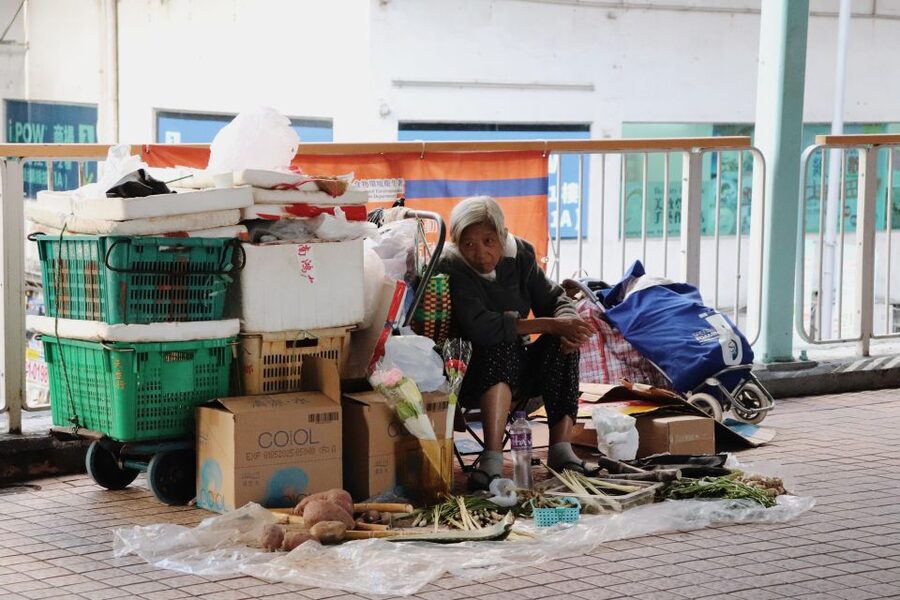
You may hear about migrants and other groups affected by the housing shortage, as well as the pressure faced by people earning minimum wage. The central point is not that Hong Kong lacks wealth. It is that wealth and secure housing are not shared evenly.
This is also where you should check your own expectations. The tour cannot offer a solution in two hours, and it does not transform a difficult neighborhood into a feel-good attraction. What it can do is give you a clearer picture of the choices facing people at the bottom of the market.
Some people will find the stop upsetting. That is a reasonable response. The important question is whether you want to understand the city beyond its shopping streets and famous views. If you do, this is one of the tour’s most direct lessons.
Sham Shui Po, rooftop dwellings, and sharp contrasts
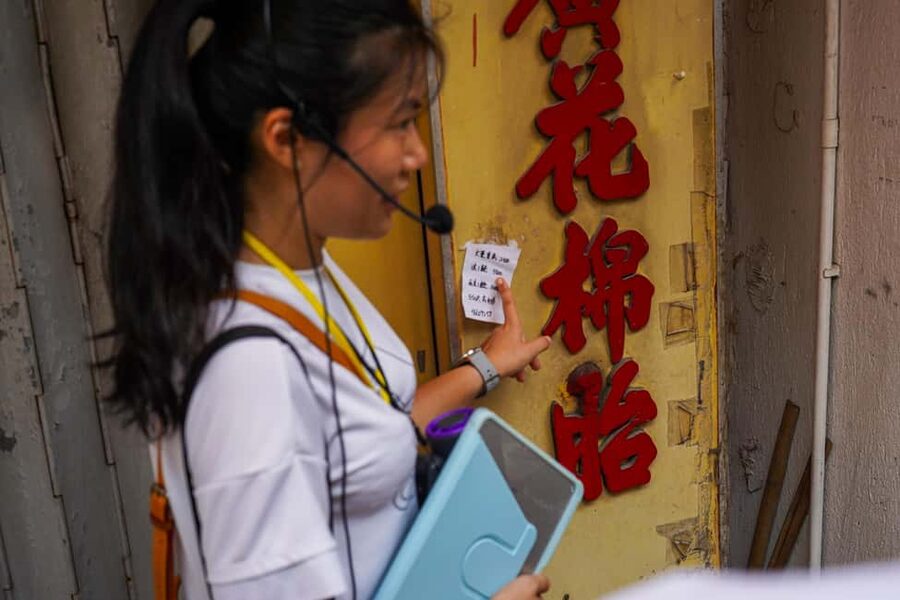
The route continues into Sham Shui Po, one of Hong Kong’s poorest districts. This neighborhood is not presented as a stage set. It is a working urban area, with ordinary businesses, residential buildings, and the visible wear of long-term housing pressure.
The guide points out the gap between luxury development and dense clusters of subdivided flats. You begin to notice how little distance separates the city’s two economic realities. A polished tower and a cramped tenement may occupy the same block, yet offer completely different versions of Hong Kong life.
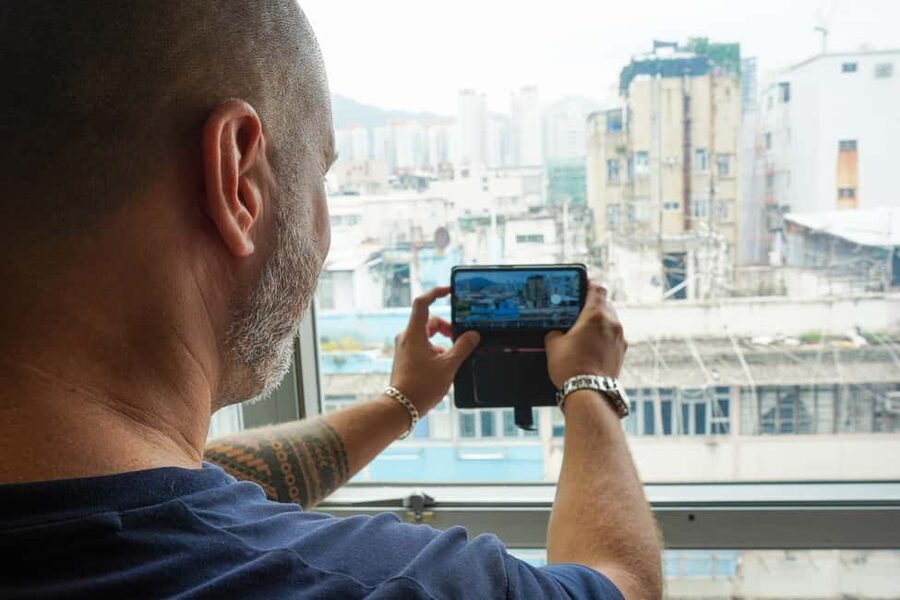
One unusual stop takes you up to a rooftop slum. From above, you may see makeshift dwellings that are almost invisible from street level. The city skyline becomes a backdrop to homes that most people would never notice while admiring Hong Kong’s towers.
The rooftop visit also adds a vertical lesson. Hong Kong’s housing crisis is not only about land being scarce at ground level. People have built or occupied living spaces wherever room can be found, including on top of older buildings.
This part of the walk can be physically demanding. You should expect stairs and older structures, and the activity may not suit anyone with limited mobility. Weather matters too. The tour can be canceled in poor conditions, with a choice of rescheduling or receiving a full refund.
SoCo gives the walk a useful ending

The tour ends at SoCo, a local charity that has advocated for marginalized communities for more than 50 years. The final visit changes the tone from observation to civic action.
That matters. Without a closing discussion about rights and possible solutions, a tour like this could leave you with little more than a series of grim images. SoCo helps explain how local organizations respond to housing problems and support people who are often left out of policy debates.
You can discuss Hong Kong’s future and the challenges facing low-income residents. Depending on the session, you may also be able to buy books or make a donation, so carrying some cash is sensible. Donations are not listed as part of the tour price, and you should decide for yourself if you wish to contribute.
Ending at SoCo also makes the tour feel less exploitative. You are not simply shown poverty and sent back to the shopping district. You are given a place to consider rights, public policy, and the role of community groups.
The official end point is North Street Market and Cooked Food Centre, near Sham Shui Po MTR Station. That is useful for planning the rest of your day. You can continue exploring the district, find a local meal, or take the MTR back to another part of Hong Kong.
How much value do you get for $31?
At $31 per person, this is not the cheapest way to spend two hours in Hong Kong. You can walk through Mong Kok and Sham Shui Po without paying an admission fee.
The price pays for something different: a professional English-speaking guide, access to a vacant subdivided flat, a planned route through several neighborhoods, and the interpretation that connects what you see to housing policy. Without the guide, you might notice old buildings and tight streets but miss the reasons behind them.
The small sample apartment is especially important to the value. It gives the tour a controlled place to explain the details without entering anyone’s current home. The visit to SoCo adds another layer that a standard neighborhood walk would not provide.
I would not choose this tour if your priority is food, architecture, shopping, or classic Hong Kong views. I would choose it if you want social and economic context, especially after already seeing the city’s famous skyline.
The two-hour length is well judged for a heavy subject. It is long enough to connect several stops, but short enough that the discussion does not become exhausting. Food and drinks are not included, so plan to eat before or after. The finish near Sham Shui Po’s market and cooked-food centre makes that easy.
Which guide and group experience should you expect?
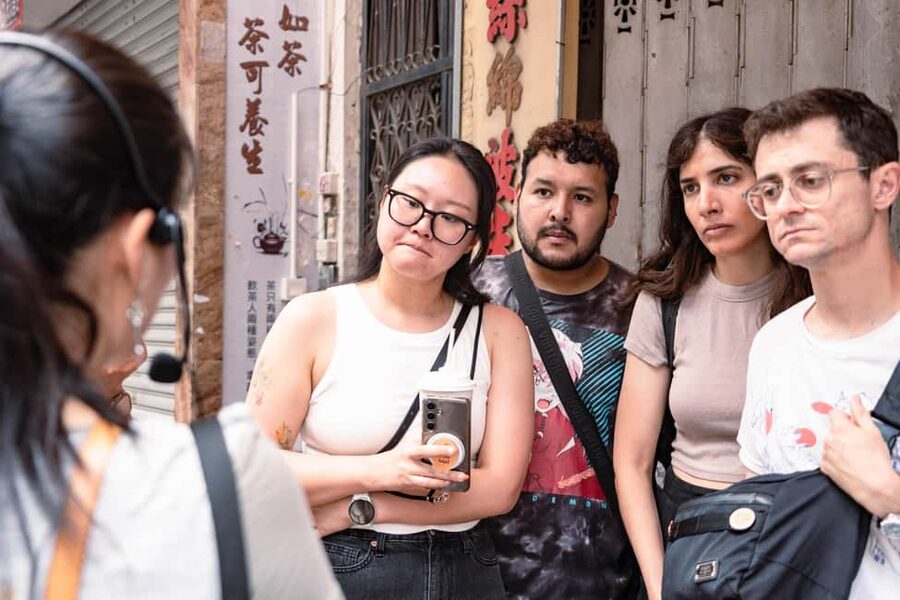
Guides named in the activity feedback include Stephen, Summer, Alice, Michael, Wind, Isaac, Simeone, and Wing Man. You cannot choose a particular guide unless the booking system allows it, but the repeated pattern is clear: the guide is central to the experience.
A good guide must explain complex economics in plain language, manage a walking group through busy streets, answer questions, and discuss poverty without treating people as scenery. Stephen is noted for explaining the housing system and economy. Alice brings clear figures and an objective tone. Summer and Wind are described as warm and passionate, while Isaac is praised for his explanations of Mong Kok and the housing situation.
Group size can be on the larger side. That may make some conversations less personal, but the tour is structured around stops where the guide can address the group. Stay near the guide and ask questions when there is an opening.
The language is English. The activity is best suited to adults and older children who can handle a serious discussion about inequality, housing, and poverty. It is less suitable if you want a light introduction to Hong Kong or feel uncomfortable seeing difficult living conditions.
Practical advice for a respectful visit
Meet inside Prince Edward Station Exit D, not outside. Give yourself enough time to find the correct exit, since large MTR stations can be confusing.
Wear comfortable shoes. You will walk through busy streets and climb stairs in older buildings. The route ends at Sham Shui Po MTR Station, so you do not need to return to Prince Edward.
Dress for the weather and check the forecast. The rooftop portion and walking route are affected by rain and poor conditions. If bad weather forces cancellation, you can reschedule or receive a full refund.
Bring water, and consider carrying cash if you may want to buy a book or donate at SoCo. Food and beverages are not included.
Most important, follow the guide’s instructions about photography and privacy. Even though the sample flat is vacant, the neighborhood is home to real people. Look, listen, and avoid treating residents or buildings as props.
Should you book the Dark Side of Hong Kong tour?
Book it if you want to understand how Hong Kong can be both wealthy and painfully hard to afford. The vacant subdivided flat, caged-home discussion, rooftop dwellings, and SoCo visit create a clear progression from statistics to daily life to possible action.
I especially recommend it for repeat visitors who have already seen the Peak, harbor, markets, and major attractions. It also suits anyone interested in economics, urban policy, social issues, or the human side of city life.
Skip it if you want a relaxed sightseeing walk or if the subject of poverty will make your trip feel too heavy. This is a serious experience, but it is handled with care and purpose. For $31 and two hours, you get far more than a glimpse of cramped housing. You get a framework for understanding the city you are looking at.
FAQ
Where does the tour start?
The tour starts inside Prince Edward MTR Station at Exit D. Do not wait outside the station.
Where does the tour end?
It ends at North Street Market and Cooked Food Centre, near Sham Shui Po MTR Station.
How long does the walking tour last?
The activity lasts two hours, including stops in the Prince Edward, Mong Kok, and Sham Shui Po areas.
What language is the tour conducted in?
The live tour guide speaks English.
Is the subdivided flat occupied?
No. The flat visited on the tour is vacant and maintained for educational visits, so you are not entering someone’s current home.
Is the tour suitable for people with limited mobility?
The route includes busy streets, staircases, and older buildings. Comfortable shoes are recommended, and the activity may not be suitable for people with limited mobility.
Recently listed in Hong Kong
- Small-Group Gong Relaxation Experience in Hong Kong★ 5.0 · 5 reviews
- Family-Friendly Tolo Harbour Cycling Adventure★ 4.0 · 5 reviews
- Different Tastes of Hong Kong★ 4.5 · 5 reviews
- Hong Kong Layover City Tour with 2-way Airport Express Transfer★ 3.0 · 5 reviews
- Hong Kong Private Departure Transfer: Hotel to Airport★ 4.5 · 5 reviews
- Ma On Shan Climbing Adventure★ 5.0 · 5 reviews
- Small-Group Tour: Hong Kong Local Markets Hopper [PROMOTION]★ 4.0 · 5 reviews
- Hong Kong Night Tour with a Local: Private & 100% Personalized★ 5.0 · 5 reviews
Hong Kong Tours, compared.

Victoria Harbor Symphony Unlimited Drink Cruise
Read our review →

City Highlights Guided Tour w/Entry Fees & Lunch
Read our review →
Dukling, Antique Boat Tour in Victoria Harbour
Read our review →
Big Bus Hong Kong Open Top Hop-On Hop-Off Sightseeing Tour
Read our review →
Big Bus Hop-On Hop-Off Tour & Optional Peak Tram
Read our review →
Hong Kong Day Tour: City Landmarks & Highlights
Read our review →Browse the lists this tour appears in