
Reviewed · SHANGHAI TOURS
Shanghai Propaganda and History Walking Tour
Shanghai’s political past comes into focus through two very different places: a private collection of more than 6,000 propaganda posters and the former home of Soong Ching Ling, wife of Sun Yat-sen. The tour then shifts outdoors, with wonton soup and a walk through the old French Concession.
I like the way the tour connects official political images with personal life inside a preserved residence. I also like the small-group limit of 15 people, the included admission fees, and the chance to eat a simple bowl of local wonton rather than spend the whole afternoon in museums.
The main consideration is pace. Three hours covers two museums, lunch, and about 1.2 kilometers of walking, so you will get a strong introduction rather than a slow, detailed study of every stop. Hotel pickup is not included, and you must reach Jiangsu Road Metro Station on your own.
Five things to know before booking
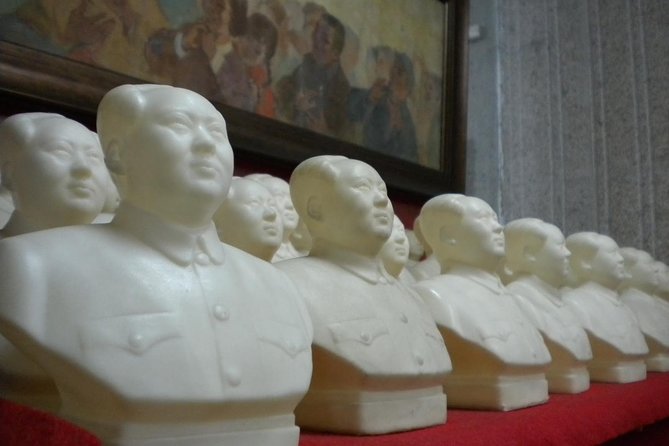
- The poster collection covers 1940s to 1990s China: You will see images from Mao’s period and the political campaigns of the early People’s Republic.
- Guide Alana brings the displays to life: Her explanations focus on what the posters meant and how they fit into daily life and political change.
- The tour includes a real local food stop: A bowl of Chinese wonton soup is included, not just a quick look at a restaurant street.
- The French Concession walk is part of the history lesson: Wukang Road offers about 1.2 kilometers of European-style buildings and old streets.
- The price covers the main costs: At $73.60 per person, you receive an English-speaking guide, entrance fees, and wonton soup, but not hotel transportation or dinner.
Why these three hours offer more than a museum visit
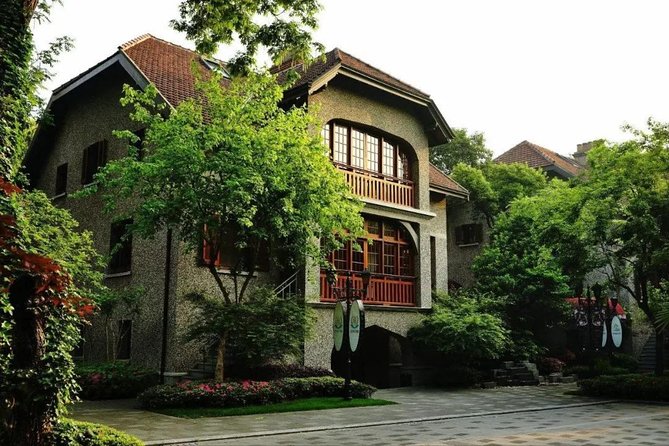
This experience works because it joins indoor exhibits with a walk through the streets. You begin with political art, move into the home of a major twentieth-century figure, stop for food, and finish among old European-style buildings.
That sequence gives you several ways to think about Shanghai’s past. The posters show how the government presented national goals and political movements. Soong Ching Ling’s residence gives you a more personal setting. Wukang Road brings the discussion back into the city you are actually walking through.
A guide matters here. Propaganda posters often use simple pictures, strong colors, and short slogans. Without context, you may understand the image but miss its purpose. An English-speaking guide can explain what the poster was asking people to believe, support, or do. The tour description specifically promises the stories behind the propaganda and a look at everyday life during the early communist period.
Guide Alana received particularly warm praise for explaining both the political background and the individual posters. If she is leading your departure, expect a guide who puts the visual material into a wider story rather than simply pointing out dates and objects.
The group maximum is 15 people. That is large enough to keep the price below a private tour while remaining small enough for a walking route and museum commentary. Ask questions as you go, especially at the poster center, where a short explanation can change how you read the entire room.
More Walking Tours in Shanghai
- Shanghai City Guided Walking Tour | China’s 1st and Best Rated
★ 5.0 · 285 reviews - Shanghai Highlights Walking Tour With A Real Local
★ 4.9 · 153 reviews - Shanghai Breakfast Walking Tour of Former French Concession
★ 5.0 · 139 reviews
Starting at Jiangsu Road Metro Station
Your meeting point is at Jiangsu Road Metro Station in Changning District. The tour starts at 1:00 pm, so you have the morning free for another part of Shanghai, though you should allow enough time to reach the station and find the exact meeting location.
There is no hotel pickup or drop-off. That is a drawback if you prefer door-to-door arrangements, but the metro meeting point keeps the start simple and central. Public transportation is nearby, and the tour ends at the north gate of Soong Ching Ling’s former residence on Huai Hai Middle Road.
Because the start and finish are different, plan your afternoon around the endpoint rather than expecting to return to Jiangsu Road. The route is useful if you want to continue sightseeing in the former French Concession after the tour.
Wear comfortable shoes. You will walk between the sights, spend time standing inside the museums, eat along the route, and cover roughly a mile on Wukang Road. You do not need hiking footwear, but this is not a seated bus excursion.
Inside the Shanghai Propaganda Poster Art Center
The first major stop is the Shanghai Propaganda Poster Art Center, located in the former French Concession area. Admission is included, and the visit takes about one hour.
The collection contains more than 6,000 original propaganda posters from the 1940s through the 1990s. It began as the personal hobby of Yang Pei Ming, who started collecting in 1995. That private beginning gives the museum a different feel from a standard state-run historical exhibit.
You will see posters connected with Chairman Mao’s time and the political movements of the New China era. The collection can help you follow shifts in political messaging across several decades. Some images may look bold, idealistic, or even cheerful at first glance. The guide’s job is to explain the pressure, sacrifice, and political demands behind that public imagery.
This is the tour’s most unusual stop. Shanghai has plenty of famous architecture and shopping streets, but a private poster collection offers a more direct look at how politics entered homes, schools, workplaces, and public life. You are not simply looking at old paper. You are seeing the official picture of what citizens were expected to value.
The museum may be especially useful if you have little background in modern Chinese history. The period covered is broad, and the symbols can be unfamiliar. A guided visit helps you connect the images to events and political movements instead of treating them as decorative art.
The limitation is that one hour cannot do justice to 6,000 objects. You will see selected material and hear the main explanations, not study the entire collection. If you are fascinated by political art, you may wish you had more time. Still, the focused visit makes sense within a three-hour walking tour.
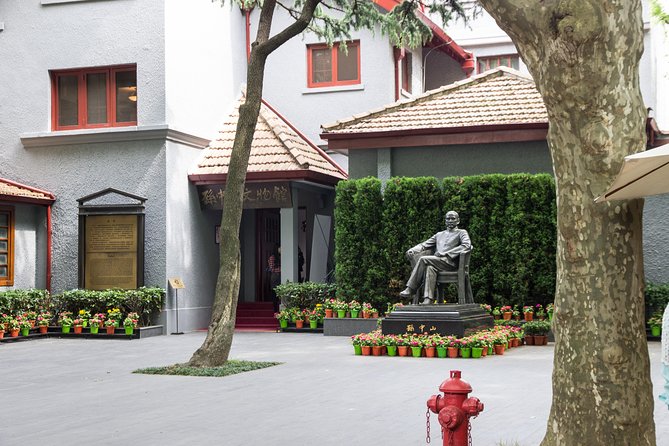
Soong Ching Ling’s former residence
The next stop is the former residence of Soong Ching Ling. It is nearby, and admission is included.
Soong Ching Ling was the wife of Dr. Sun Yat-sen, a major figure in the creation of the Republic of China. Inside the residence, you will learn about her life achievements and the history of the Republic and early communist period.
This stop changes the mood. The poster center presents public messages made for large audiences. The residence offers a more private setting, where political history is connected with one person’s life, work, and home.
That contrast is one of the strongest parts of the tour. You can compare the idealized public world shown in the posters with the ordinary spaces preserved inside the residence. The tour uses both places to discuss the hardships many Chinese people faced in earlier periods and their hopes for a better life.
The residence also helps prevent the poster collection from becoming an isolated curiosity. You are given a person and a home to anchor the larger story. For many visitors, that personal scale makes the political material easier to understand.
The supplied timing gives the second part of the route about two hours, including the residence, food stop, and Wukang Road walk. Exact time at the house is not specified, so expect the guide to divide the afternoon according to the group and the route.
More History Tours in Shanghai:
- Tour of Jewish Shanghai led by a Jewish History Expert
★ 5.0 · 106 reviews - 4-Hour Private Shanghai Art and History Tour
★ 5.0 · 8 reviews - Private Full Day Tour: Shanghai Colonial History Tour
★ 5.0 · 6 reviews - Between Capitalism & Communism: Hong Kong History Tip Based Tour
★ 5.0 · 234 reviews
Wonton soup between the history stops
During the tour, your guide takes you to a local shop for a bowl of wonton. Chinese wonton soup is included in the tour price.
This is a small detail, but it improves the experience. You get a chance to sit down, eat something familiar to local life, and pause between museum visits. It also keeps the tour from feeling like three straight hours of dates and political explanation.
Do not treat the wonton as a full dinner. Dinner is not included, and the meal is described as a bowl of wonton rather than a larger restaurant spread. If you have a substantial appetite, plan another meal later.
The food stop may also help you see how the tour is designed. It is not only about entering attractions and leaving again. The route includes a modest local shop and a common dish, giving you one everyday experience alongside the formal historical sites.
Food preferences and dietary needs are not detailed in the information provided. If that matters to you, ask the operator before booking rather than assuming substitutions are available.
Walking Wukang Road for 1.2 kilometers
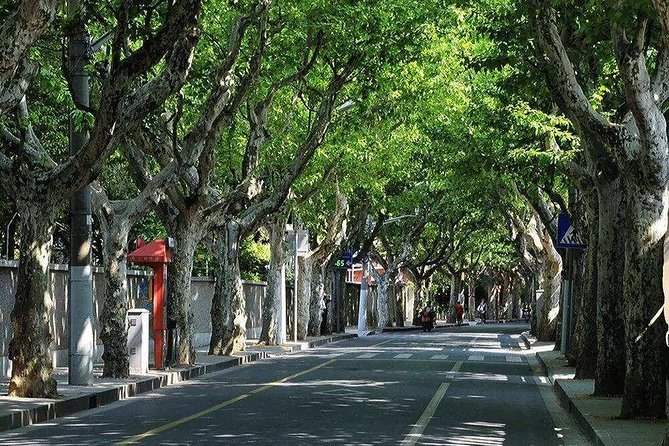
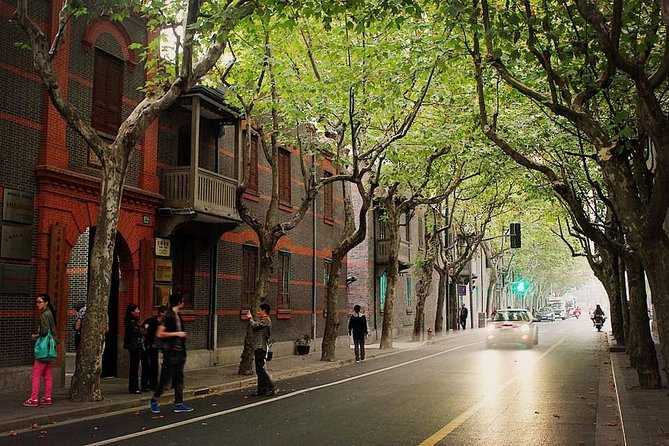
After the indoor visits and wonton stop, you walk along Wukang Road for about one mile, or 1.2 kilometers. This is described as one of Shanghai’s best-preserved European-style streets, with historic buildings on both sides.
The walk gives the tour a useful visual finish. Instead of ending in a museum, you step back into the city and see the architectural setting of the former French Concession. The buildings are not just a backdrop for photographs. They help explain the layers of Shanghai’s past, where Chinese political history unfolded among streets shaped by foreign influence.
You should expect a sightseeing walk, not a strenuous hike. Comfortable shoes are still important because you will spend much of the tour on foot and may pause along the way. The route ends at the north gate of Soong Ching Ling’s former residence, at 1843 Huai Hai Zhong Lu.
The walk is also the least tightly defined part of the schedule. You are told the distance and the main road, but not every building or corner that will be discussed. That gives the guide room to respond to the group, though it means you should not expect a fixed architectural lecture with a detailed stop at every address.
If you like city streets more than formal attractions, this part may be the highlight. If your priority is only the poster collection, remember that the walking segment takes a meaningful share of the afternoon.
What the $73.60 price includes
The cost is $73.60 per person. That is not the cheapest way to visit a museum in Shanghai, but the comparison is not simply an admission-ticket calculation.
Your fee includes an English-speaking guide, entrance fees for the main attractions, and Chinese wonton soup. You are also paying for the route between the sites and for explanations that connect political posters, Soong Ching Ling’s life, early communist history, food, and French Concession architecture.
For a first look at this subject, the price can be fair. You avoid arranging separate admissions, finding the private museum, working out the connection between two nearby historical sites, and interpreting the posters alone.
The value is lower if you already know modern Chinese political history well or prefer to read museum displays independently. The tour’s appeal depends heavily on the guide’s explanations. You are paying for interpretation and structure, not just entry.
A maximum of 15 people helps keep the experience from becoming a large group march. The booking system offers instant confirmation, and one booking was made only 48 hours before the tour, with prompt contact from guide Alana. The stated average booking lead time is 16 days, so advance planning is common, but last-minute availability may sometimes appear.
Who will get the most from this walk
I would recommend this tour to you if you want political history explained in plain language and prefer seeing a city on foot. It suits first-time visitors who want something beyond Shanghai’s best-known skyline and shopping districts.
It is also a strong match for anyone interested in propaganda art, the Mao period, the Republic of China, or the early communist era. The poster center is not a standard sightseeing stop, and the tour gives you a way to approach a complicated subject without having to prepare a large amount of background reading.
Families can participate, but children must be accompanied by an adult. Most people can take part, and service animals are allowed. The combination of museum interiors, a meal, and city walking gives the afternoon some variety.
You may want a different experience if you need hotel pickup, dislike walking, want a full meal, or prefer a slow visit to one museum. The three-hour schedule is efficient, but it leaves limited time for lingering.
Practical details that affect your afternoon
Confirmation is provided when you book. The mobile ticket makes entry and meeting arrangements easier, but you still need to arrive at the Jiangsu Road meeting point for the 1:00 pm start.
The tour finishes at Soong Ching Ling’s former residence rather than returning to the metro station. That is useful if you want to continue around Huai Hai Middle Road or the French Concession, but it requires you to plan your next move from the north gate.
Free cancellation is available if you cancel at least 24 hours before the local start time. Cancellations made less than 24 hours before the start, along with late changes, are not refunded.
The tour has a five-star rating from the supplied feedback, with special praise for the guide’s explanations, the unusual poster museum, and the smooth communication before departure. Keep that in perspective: the sample is small, but the praise points to the core strength of the experience, careful guiding rather than flashy production.
Should you book the Shanghai Propaganda and History Walking Tour?
Book it if you want a focused introduction to China’s political past with real objects, a preserved home, local food, and a French Concession walk. The combination is unusual, and the included admissions and wonton make the $73.60 price easier to justify.
I would be most likely to choose it early in a Shanghai visit, when I wanted context for the city and did not yet know how its different historical periods fit together. Guide Alana’s clear explanations are a particular plus if she is assigned to your group.
Skip it if you need transport from your hotel, want a long museum visit, or are looking for a relaxed food tour. For the right audience, though, this is a compact and thoughtful way to see Shanghai’s twentieth century through posters, personal history, and the streets between them.
FAQ
Where does the tour start?
It starts at Jiangsu Road Metro Station in Changning District, Shanghai.
What time does the tour begin?
The tour begins at 1:00 pm.
Where does the tour end?
It ends at the north gate of Soong Ching Ling’s former residence, at 1843 Huai Hai Zhong Lu.
How long is the tour?
The walking tour lasts approximately three hours.
What attractions are included?
The tour includes the Shanghai Propaganda Poster Art Center and Soong Ching Ling’s Memorial Residence. Entrance fees are included.
Is food included?
Yes. Chinese wonton soup is included. Dinner is not included.
How large is the group?
The tour has a maximum of 15 participants. Children must be accompanied by an adult.
Recently listed in Shanghai
- Private Tour of Shanghai Highlights and Zhujiajiao Water Town in One Day★ 5.0 · 5 reviews
- 4-Hour Private Shanghai Shopping Tour with Local Expert★ 5.0 · 5 reviews
- Shanghai to Beijing Bullet Train Ticket with Hongqiao Station Transfer★ 5.0 · 5 reviews
- Shanghai Hongqiao Airport To Shanghai Hotel:Private transfer with Meet service★ 5.0 · 5 reviews
- Shanghai Coffee & Breakfast Tour★ 5.0 · 5 reviews
- Private Shanghai Hightlight Day Tour with English-speaking Guide★ 4.5 · 5 reviews
- Xitang Water Town Self-Guided Tour from Shanghai with Private Transfer★ 5.0 · 5 reviews
- Private Shanghai Foodie Adventures with Rooftop Bar Hopping★ 5.0 · 5 reviews
Shanghai Tours, compared.
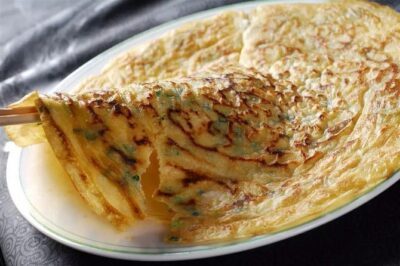
Authentic Local Food Tour in Central Shanghai
Read our review →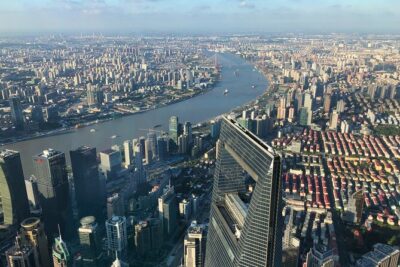
Zhujiajiao Water Town and Shanghai City Private Day Tour
Read our review →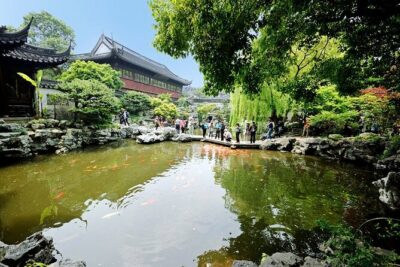
Private Shanghai Full Day City Tour with Old and New Highlights
Read our review →
Hop-on Hop-off Bus Ticket and Optional Attractions
Read our review →
Shanghai Private Tour: Zhujiajiao Water Town and Boat Ride
Read our review →
Huangpu Night Cruise: Cozy Vibe & Modern Shanghai Glow
Read our review →
Browse the lists this tour appears in